Have you ever taken a disinfectant wipe with the thought of cleaning, sanitizing, and disinfecting? It occurs all right.
We use these words interchangeably as though they all mean the same thing, but they do not.
It is not only the paranoid or germ-phobe who ought to know the distinction, but also your health and the health of your family, and, on a strange note, your sanity.
Cleaning: Getting Rid of the Dirt You Can See
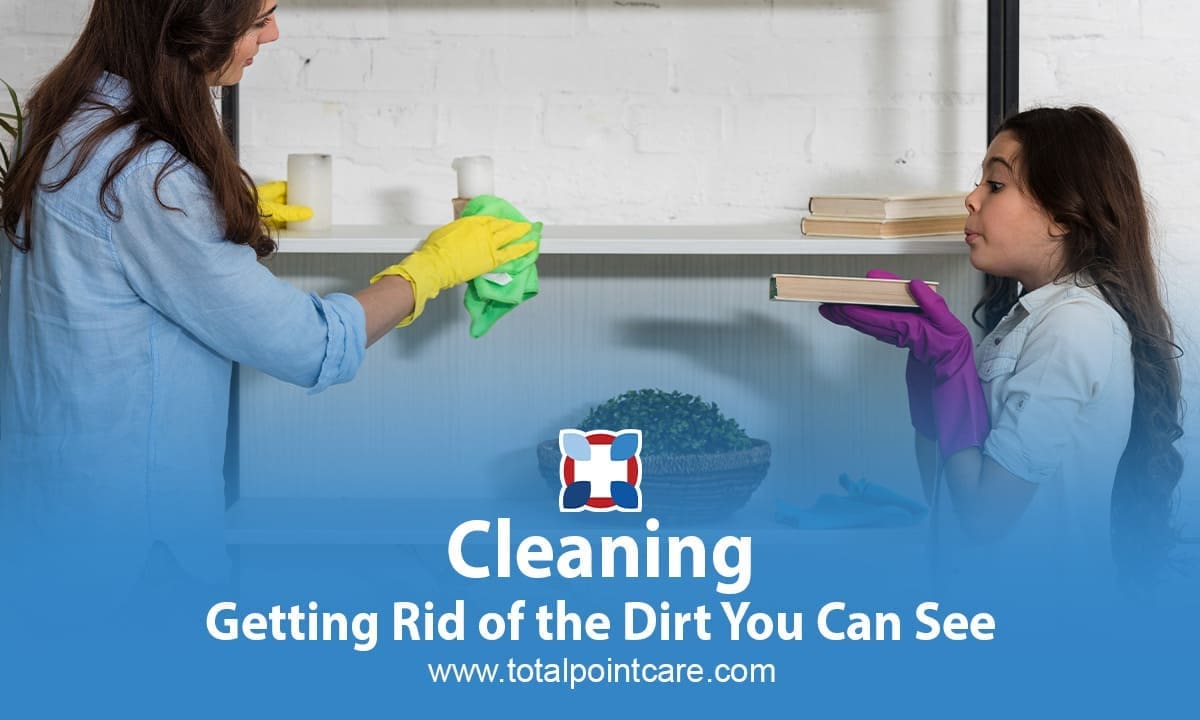
Cleaning, first of all. The CDC understands cleaning as the removal of dirt, dust, crumbs, and germs on a surface or object, normally accomplished by using soap (or detergent) and water.
What is the trick with this? Cleaning can be effective in the removal of germs; however, it does not kill them. Then you are simply spreading them to your surfaces and cleaning rags or the drain.
Consider cleaning off your cooking countertops once you finish cooking. Yes, a lot of germs are eliminated along with the crumbs, sauce splashes, and sticky juice boxes. However, this does not mean that harmful things are no longer present.
Sanitizing: Reducing Germs to Safe Levels
Sanitizing is a process that lowers the number of germs on the surface or object to a safe level, i.e., per the standards of public health. This usually follows the cleaning step by either using a heat or a sanitizer spray.
The thing is that sanitizing does not exterminate every germ. It only reduces the number to a safe number, which may be high, and this is dependent on what you are sanitizing.
Consider the example of a cutting board. You swab a cutting board with raw chicken after you chop it. Sanitizing will reduce the risks of contagion with dangerous microorganisms; however, it does not sterilize a cutting board.
Disinfecting: Killing Germs on Surfaces
Your ace for battling germs is disinfecting. The EPA explains that disinfecting is the process of using chemicals to kill germs on surfaces, and it is commonly applied post-cleaning so as to reduce the chances of infection further.
Cleaning up eliminates, sanitizing reduces, and disinfecting kills. It does not, however, tend to clean really dirty surfaces very well, so disinfecting after cleaning is usually preferred.
This is very much possible in high-touch surfaces such as doorknobs, light toggles, and faucets in the bathroom.
Why Does It Matter?
Honestly, you may think it is quite insignificant in daily life. The brief explanation? It does.
Proper cleaning and disinfecting can help prevent allergies, infections, and other health issues, making it less likely that individuals will experience health problems.
The CDC recommends that high-touch surfaces be disinfected, especially during the cold and flu season or when an ill member of your family is ill.
CDC encourages special attention to high-contact surfaces such as doorknobs, switches, and countertops to assist in preventing the spread of viruses. Cleaning with soap and water reduces germs, but cleaning surfaces that sick persons touch frequently after they are sick can aid in preventing the transmission of illness.
The CDC explains, with a common-sense expectation that daily disinfection is not necessary, but frequent attention to high-contact areas that might have been contaminated by an ill person when they were sick.
When to Use Each Method
It might seem to be confusing, what to clean, disinfect, or sanitize, but here is a straightforward division:
- Routine: Maintain a consistent cleaning schedule, especially in high-weather conditions: Regular cleaning.
- Food Preparation Stations: In order to prevent developing a foodborne disease, clean and sanitize them.
- Procedures post-illness: Disinfect the surfaces with high-touch points to curb the spread of viruses.
- Bathrooms: Wash and sanitize such places as toilet handles, faucets, and light switches.
- Toys and Baby items: Wash and sanitize by boiling, steaming, or using a weaker bleach solution regularly, particularly when they are inserted into your kids’ mouths.
To have more thorough instructions, the CDC guide suggests convenient tips on what and how to clean and disinfect your home, including the frequency of performing these activities.
Choosing the Right Products
Cleaning products are not the same in all aspects.
The EPA recommends looking at the products registered to be used as disinfectants in order to ensure they are effective against certain viruses and bacteria.
Contact surfaces with food are prone to the use of sanitizers, whereas bathroom surfaces and other high-risk areas will use disinfectants.
You could be tempted to have a cupboard full of all sorts of sprays and wipes; however, a good cleaning routine, utilizing a disinfectant in areas that are touched frequently, is normally all you need to keep your home safe without giving the cleaning routine additional complexity.
Precaution:
- In order to protect your skin (which might cause skin irritation, like dermatitis) and eyes from any splashes, put on the suggested safety gear, such as gloves or goggles, before using the product.
- Wash your hands immediately for 20 seconds with soap and water.
Need Help Keeping Your Family Healthy?
At Total Point Urgent Care, understanding when to clean, disinfect, or sanitize helps protect your family before illness strikes. Germs and viruses can linger on surfaces, quietly increasing your risk of getting sick without you even realizing it.
Knowing the difference allows you to take practical steps to reduce that risk, keeping your home healthier and your family safer. Our team is here to guide you with simple, effective tips so you can stay one step ahead of germs, season after season.
Our Wellness Membership Plan makes caring for your health simple and budget-friendly, so you can focus on what matters without stressing over unexpected care costs.
Have questions? Call us at 903-448-7611
Stay connected for practical health tips on Facebook and Instagram
Walk in anytime or become a Wellness Member today, and let Total Point Urgent Care help you keep your family healthy and protected, season after season.
Are you Worried About Cleaning, Disinfecting, and Sanitizing?
Don’t let hidden germs put your family at risk. Knowing when to clean, disinfect, or sanitize can help prevent infections and keep your home healthier. Visit Total Point Urgent Care for clear answers and fast, reliable care.
We provide quick, reliable, and affordable asthma care at our urgent care locations across Texas.
- Abilene West, TX
- Abilene East, TX
- Athens
- Corsicana
- Daingerfield
- Ennis
- Hallsville
- Lindale
- Mansfield
- Allen
- Whitehouse
- Jacksonville
- Wheatland (Dallas)
as well as in Missouri,
We also offer a Wellness Membership Plan that’s smart, simple, and budget-friendly for the whole family.
FAQs
Q. Is “Clean” the Same as “Disinfectant”?
A. No, not at all! Cleaning removes visible dirt, but it doesn’t kill or remove all invisible germs.
Q. Can I Use Sanitizing Wipes for Everything?
A. Sanitizing wipes reduce germs to a safe level, which is fine for everyday use.
Q. How Long Should Disinfectants Be Left on a Surface?
A. Most disinfectants require 5-10 minutes of “contact time,” during which the surface must be visibly wet to effectively kill germs. Follow the manufacturer’s instructions for applying the bleach solution to surfaces. If instructions are not available, leave the diluted bleach solution on the surface for at least 1 minute before removing or wiping.
Q. Are “Natural” Cleaning Chemicals Like Vinegar Strong Enough to Disinfect?
A. While they do have some cleaning power, natural alternatives like vinegar are generally not strong enough to be considered disinfectants.
Q. What’s the Most Important Lesson to Take Away From All of This?
A. Always clean first. Then, depending on the situation, choose to sanitize to reduce common germs or disinfect to kill more potent germs.

Related Articles