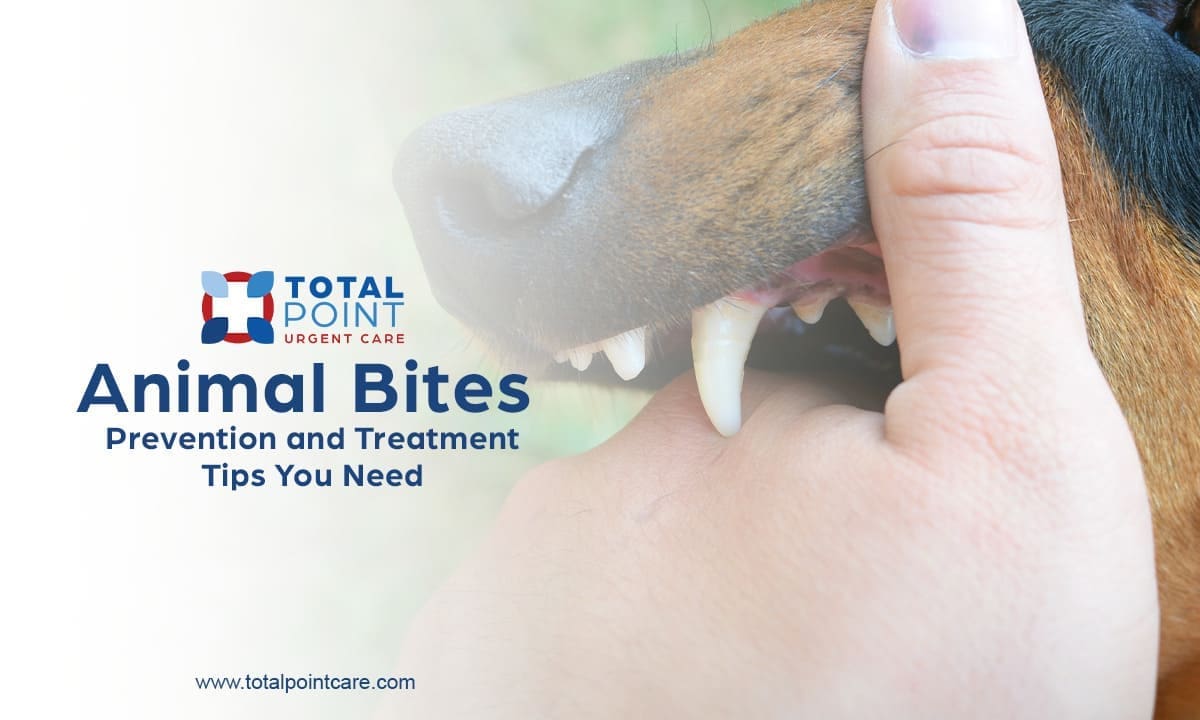
Animal bites are always underrated, but they can easily get serious. Millions of people are bitten by animals every year, and the bites range from minor scratches to deep wounds.
Such wounds produce pain during the injury, but sometimes may progress to cause infection and even death, as in cases of rabies.
Keeping up with the latest information on preventing bites and how to treat them can not only protect your health but also your peace of mind.
Why Animal Bites Are Dangerous and Often Serious
The World Health Organization (WHO) indicates that animal bite is a widespread issue that is a significant problem in the world, particularly in areas where rabies prevails.
They estimate the number of rabies bites to be in the tens of millions per year, with millions requiring medical attention. Dogs are at the peak when it comes to bites, with cats, bats, and other animals adding to the list.
Notably, the World Health Organization (WHO) points out that dog bites are the leading cause of human death caused by rabies.
A viral infection known as rabies, spread by saliva, is almost one hundred percent deadly, with only symptoms. Following a bite, this terrible reality calls for urgent medical treatment, especially when rabies is suspected.
Useful Bite Prevention Measures
Prevention is not only the avoidance of animals completely, but also safe contact and knowledge.
- You should not come into contact with unknown animals.
- Street animals or fauna may be able to harbor disease and behave in unexpected ways. Stray animals should never be touched or given food.
- Teach your kids about safety and animal body language.
- Children must know that it is important not to approach strange animals and be able to understand some indicators of aggression in animals or fear.
Immediate Steps to Take After Bite and Infection Prevention
In case you are bitten, a rapid and correct combination of actions can lead to the prevention of severe infections or even death. The World Health Organization (WHO) highlights clear first-aid steps:
- Clean the wound: Wash the bite spot with soap and use lots of running water; this should take at least 15 minutes. This is very crucial in eliminating saliva, dirt, and bacteria.
- Cover it with antiseptic: Apply some antiseptic like iodine, alcohol, or any other sterilizing agent to clean the wound.
- Control bleeding: You can use a fresh bandage or dressing to stop the bleeding.
- Go to medical help right away: Particularly in case of a deep bite or one that affects the face or hands, or in case of exposure to rabies. To prevent infection, nurses and doctors will be able to examine the wound, provide the required vaccinations (like tetanus toxoid), and prescribe antibiotics.
The Infection Risks: Learn How to Understand the Infection Risks
Though the percentages are not exact, the World Health Organization (WHO) confirms that infections are a widespread complication of animal bites all over the world.
The availability of bite wounds furnishes a route of entry for bacteria into the body. Dog bite injuries are relatively superficial, but are intended to generate tears, and cat bites are puncture-like injuries that are more susceptible to infection.
Without treatment, even minor wounds may be infected in a few hours to several days. Redness, swelling, warmth, pus, and growing pain around the area of the bite are the signs that need to be observed. These are symptoms indicating that there is a need for medical care immediately.
Rabies: The Killer Virus
The World Health Organization (WHO) emphasizes that nearly 100 percent of human deaths are caused by rabid dog bites. Rabies virus affects the nervous system, and the rabies symptoms include anxiety, confusion, paralysis, and death.
Provided that it is suspected or known that the biting animal had rabies, the development of the disease can be prevented by the provision of Post-Exposure Prophylaxis (PEP), which is a series of rabies vaccinations upon its timely initiation.
Bitten? Here’s What to Do Next
At Total Point Urgent Care, we know life gets wild literally. Whether it’s a playful pup that nipped too hard or a curious stray that got too close, animal bites aren’t something to brush off.
Our Wellness Membership Plan makes caring for your health simple and budget-friendly, so you can focus on what matters without stressing over unexpected care costs.
Have questions? Call us at 903-448-7611
Stay connected for practical health tips on Facebook and Instagram
Walk in anytime or become a Wellness Member today, and let Total Point Urgent Care help you keep your family healthy and protected, season after season.
Are you Worried About Animal Bites?
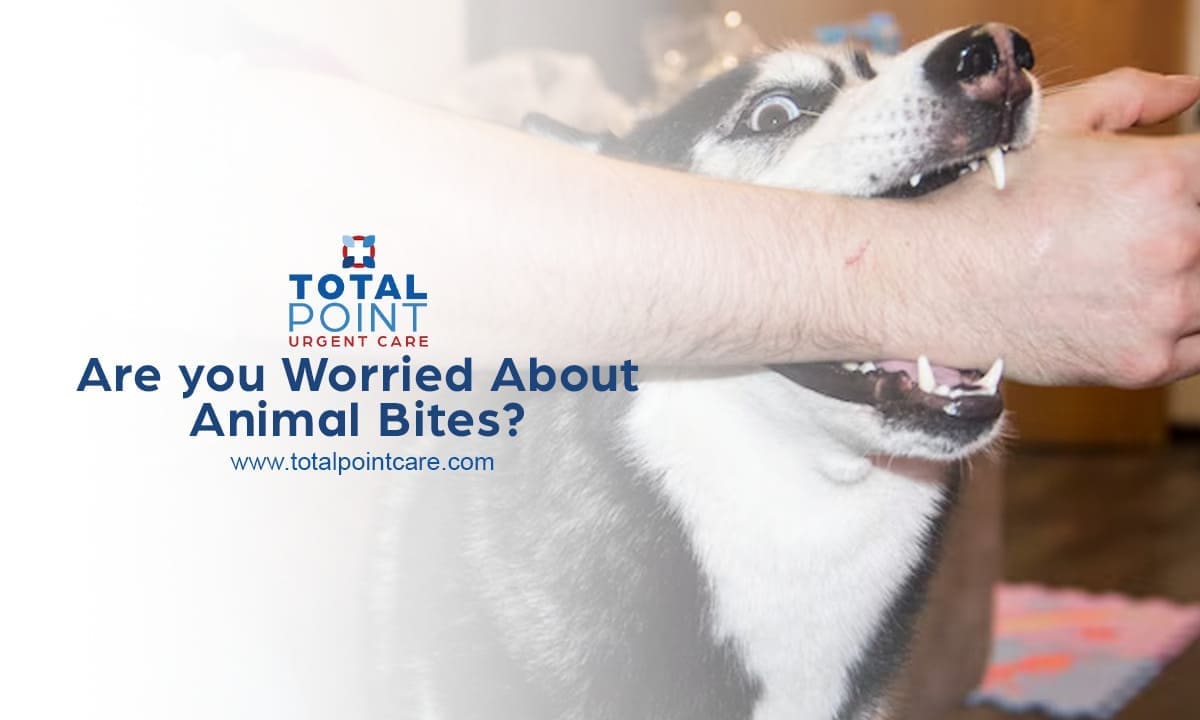
Don’t ignore animal bites; they can lead to serious infections if not treated on time.
Knowing the right prevention and treatment tips can make all the difference in keeping you safe. Visit Total Point Urgent Care for clear answers and fast, reliable care.
We provide quick, reliable, and affordable asthma care at our urgent care locations across Texas.
- Abilene West, TX
- Abilene East, TX
- Athens
- Corsicana
- Daingerfield
- Ennis
- Hallsville
- Lindale
- Mansfield
- Allen
- Whitehouse
- Jacksonville
- Wheatland (Dallas)
as well as in Missouri,
We also offer a Wellness Membership Plan that’s smart, simple, and budget-friendly for the whole family.
Frequently Asked Questions (FAQs)
Q. What must I do once an animal bite occurs?
A: Clean the wound with soap and water for at least 15 minutes, apply antiseptic, and seek medical attention.
Q. Is a little bite of an animal hazardous?
A: Yes, so even the little bites can cause infections or rabies, and these should not be ignored.
Q. What are the means of avoiding the bites of animals?
A: Never touch unfamiliar animals, be careful where pets and children play, and ensure pets are vaccinated.
Q. What makes me call a doctor with an animal bite?
A: Request care as soon as possible when the wound is deep and /or bleeding profusely, or a rabies risk.
Q. Why is it a concern of rabies following an animal bite?
A: Rabies is nearly always deadly when the signs appear, and thus, timely treatment and treatment post-intervention are vital if it is suspected.

Related Articles