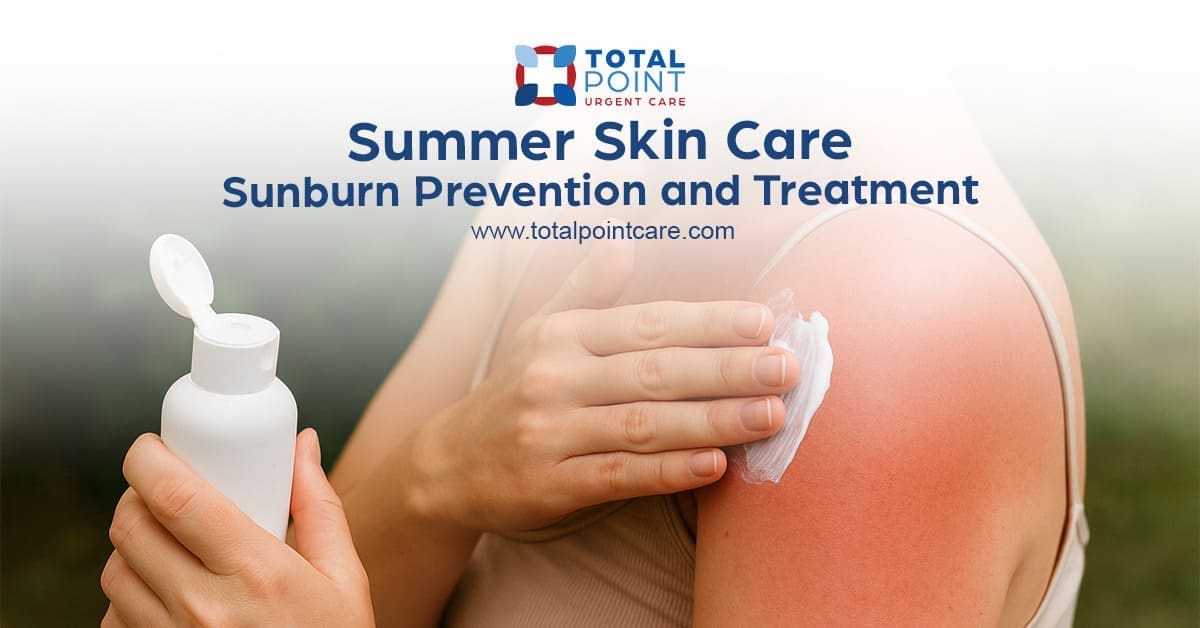
Summer lifts our spirits with longer days, outdoor fun, and all that sunshine, but your skin might not be celebrating. A single beach day without protection, and boom, Red, itchy, and painful regret.
This guide explains how to prevent sunburn, treat it quickly, and create a summer skincare routine that keeps your skin happy, hydrated, and healthy, whether you burn in five minutes or you simply want to preserve your hard-earned glow.
What Happens When You Get Sunburned
Why It Hurts So Bad
Sunburn isn’t just a surface-level inconvenience. It’s a sign of real skin damage. When your skin is overexposed to ultraviolet (UV) rays—specifically UVA and UVB—it goes into defence mode. UVB rays cause the redness and burning, while UVA rays dig deeper into the skin, speeding up ageing and increasing the risk of skin cancer.
Your body’s response? Inflammation.
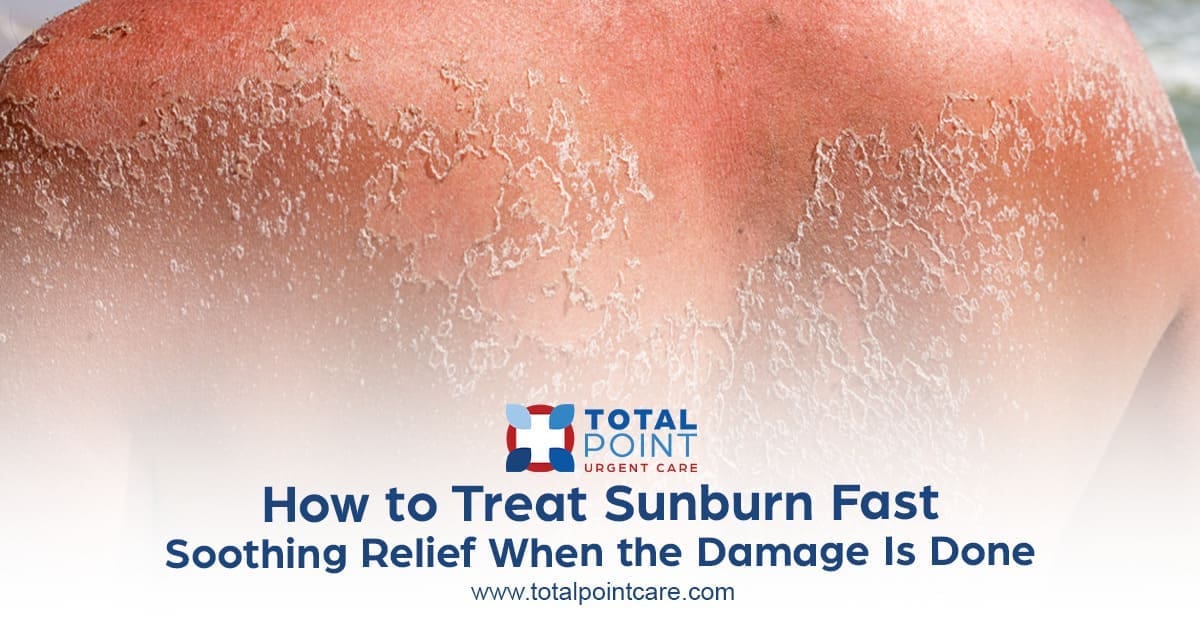
Blood rushes to the surface, immune cells flood the area, and within a few hours, you’ve got redness, pain, and heat. Severe sunburns can blister, peel, and linger for days.
Long-Term Risks You Can’t Ignore
Sunburn is more than temporary discomfort. Repeated overexposure can lead to:
- Premature aging: Wrinkles, fine lines, and sunspots
- Hyperpigmentation/ Hypopigmentation: Uneven skin tone and dark patches, freckles
- Skin cancers: Especially melanoma, which is linked to frequent sunburns in early life.
Having five or more sunburns doubles your risk of developing melanoma, according to the Skin Cancer Foundation.
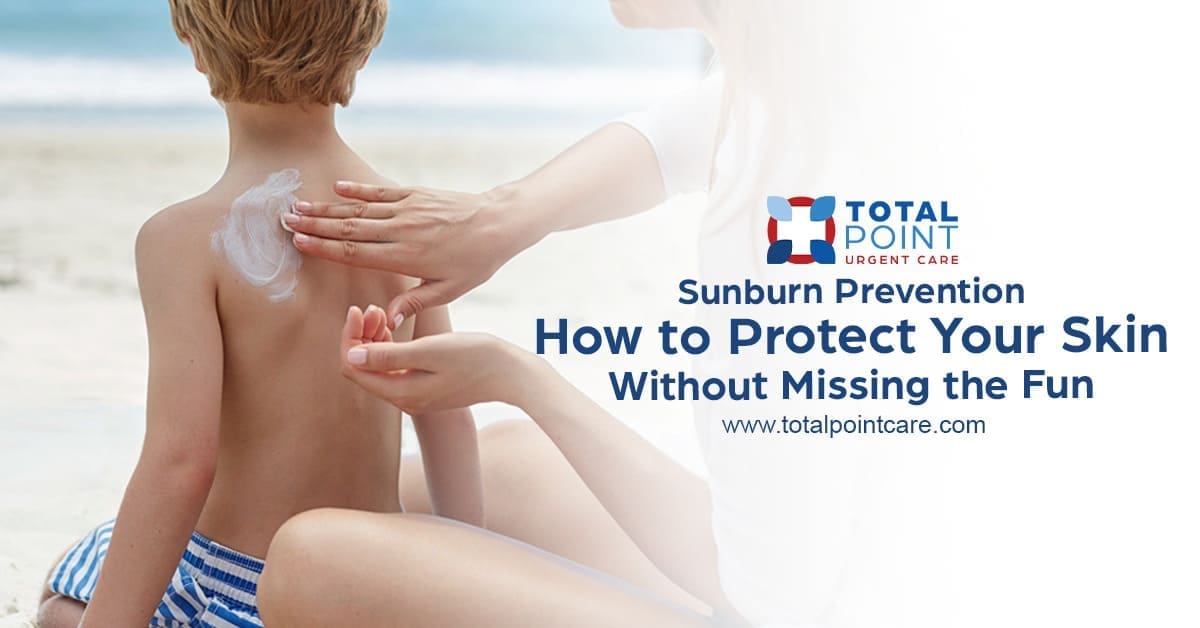
Sunburn Prevention: How to Protect Your Skin Without Missing the Fun
Choose a Sunscreen That Works for You
There are tons of sunscreens out there, but here’s what to look for if you want real protection:
- Broad-spectrum (blocks both UVA and UVB rays)
- SPF 30 or higher
- Mineral-based (titanium dioxide or zinc oxide), particularly for people with sensitive skin.
If you’re prone to breakouts or irritation, go for fragrance-free, oil-free formulas. And yes, even if your foundation says it has SPF, you still need a real sunscreen underneath it.
Apply It Like You Mean It….
The majority of us don’t wear enough sunscreen, let’s face it.
A nickel-sized dollop for your face and roughly a shot glass full (1 oz) for your body is what’s recommended. The tops of your feet, your scalp (particularly if you’re thinning up top), your ears, and the back of your neck should all be considered.
Reapply every two hours, or more frequently if you’re sweating or swimming. Water-resistant does not equate to waterproof.
Dress the Part
Wearing protective clothing can be just as effective as applying sunscreen. Try it:
- UPF-rated clothing that blocks UV rays
- Hats with wide brims to protect the face, scalp, and neck
- UV-protective sunglasses to prevent eye damage and wrinkles
Respect the Sun’s Schedule
Plan your outdoor time around the UV Index, which you can check via most weather apps or the EPA’s UV Index. UV rays are strongest between 10 a.m. and 4 p.m. If you’re out during those hours, stay shaded when you can.
How to Treat Sunburn Fast: Soothing Relief When the Damage Is Done
Step One: Get Out of the Sun
Seriously—don’t try to “push through.” Continued sun exposure will worsen the burn and increase damage. Get inside, find some shade, and give rest to your skin.
Step Two: Cool Down Gently
- Take a cool (not freezing) shower or bath
- Apply cold compresses using a soft washcloth
- Drink plenty of water—sunburn can dehydrate you quickly
Step Three: Moisturize and Calm the Skin
Once your skin is dry, gently pat on a soothing lotion. Look for ingredients like:
- Aloe vera (natural gel is best)
- Hyaluronic acid
- Ceramides for barrier repair
Avoid heavily fragranced lotions or anything with alcohol. Petroleum-based products can trap heat and make the burn feel worse initially.
Step Four: Reduce Inflammation and Pain
Over-the-counter treatments that help:
- Ibuprofen or acetaminophen for swelling and pain
Pro tip: If you develop blisters, don’t pop them. Cover with a clean, loose bandage and let them heal naturally to avoid infection.
Your Go-To Summer Skin Care Routine
Morning: Shield and Hydrate
- Gentle cleanser to remove overnight oil
- Vitamin C serum for antioxidant protection
- lightweight moisturiser containing hydrating agents such as hyaluronic acid or glycerin
- SPF 30+ sunscreen—non-negotiable
Night: Restore and Repair
- Cleanse away sunscreen, sweat, and dirt
- Serum containing niacinamide to soothe and balance our tone
- Moisturizer with ceramides or peptides to support skin recovery
Exfoliate Wisely
Stick to once or twice a week with a gentle exfoliant (like lactic acid or polyhydroxy acids). Avoid any exfoliation while skin is sunburned, peeling, or sensitive.
Avoid These Common Summer Skin Mistakes
Even the most skincare-savvy folks slip up in summer. These are a few of the most common mistakes:
- Skipping SPF on overcast days: Clouds block visible light, not UV rays.
- Thinking makeup with SPF is enough: It’s not. It rarely provides full coverage or the right SPF level.
- Not reapplying sunscreen: Set a timer if you must—every 2 hours is key.
- Ignoring your lips and scalp: Use lip balm with SPF and SPF scalp spray or wear a hat.
When It’s More Than a Minor Burn: Signs You Should See a Doctor
Sometimes sunburn is more than a minor irritation. Seek medical attention if:
- Large areas of skin are blistering
- You feel feverish, nauseous, or dizzy
- Pain is intense or spreading
- Symptoms aren’t improving after a few days
At Total Point Urgent Care, our experienced clinicians can help you recover faster. No appointment needed.
Visit Total Point Urgent Care near you
Sometimes, a sunburn is more than just red skin—it’s nausea, chills, or even dehydration. If you’re in that space (or just want a professional opinion), we’re here for you.
At Total Point Urgent Care, we provide:
- Burn evaluations and personalized treatment
- Hydration support and prescription-strength creams
- Blister care and infection prevention
- Telehealth for your convenience
We proudly serve communities throughout Texas and Missouri, with multiple locations ready to care for your urgent needs and everyday health goals.
Follow us on Facebook and Instagram for summer health tips, clinic updates, and exclusive member content. Contact 903-448-7611 for more details.
FAQs
1. How long does a sunburn last?
Mild sunburns usually improve within 3–5 days. Moderate burns may take up to a week or more to fully heal.
2. How to treat Sunburn fast?
Cool compresses, aloe vera, hydration, and avoiding sun exposure are the basics. OTC pain relievers can also ease discomfort.
3. Can you get sunburned through windows?
Yes. UVA rays penetrate glass, which is why indoor sun exposure (like in your car or by a window) can still damage your skin.
4. Is it safe to exfoliate sunburned skin?
No. Let your skin heal first. Exfoliating too soon can cause further damage.
5. How do I tell if it’s sunburn or heat rash?
Sunburn causes red, painful skin and may blister. Heat rash looks like tiny red bumps or blisters and is more itchy than painful.
6. What’s the best sunscreen for sensitive skin?
Look for mineral sunscreens with zinc oxide or titanium dioxide. Choose products labeled hypoallergenic and fragrance-free.
7. Can sunburn cause permanent skin damage?
Yes. Repeated burns increase your risk of skin cancer and cause long-term issues like hyperpigmentation and wrinkles.
8. Any home remedies for sunburn that work?
Yes! Try:
- Pure aloe vera gel
- Cold milk compresses
- Oatmeal baths
- Cucumber slices or paste
- Coconut oil, only once the heat and redness have faded
9. Is peeling after sunburn normal?
It is. Peeling is your body’s way of shedding damaged skin. Avoid picking, and keep the area moisturized to help the healing process.

Related Articles