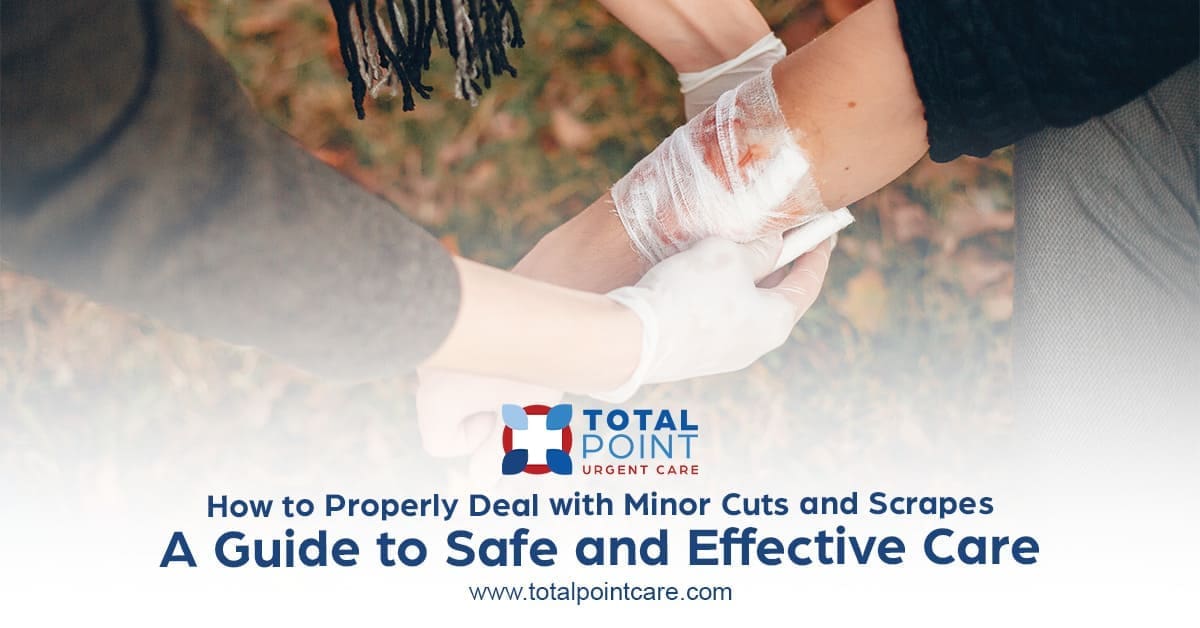
It’s a familiar scenario: you’re in the kitchen, out in the garden, or simply going about your day when—ouch!—A small cut or scrape suddenly appears. While these minor injuries are usually not serious, they can still be bothersome. If left untreated, even a small wound can lead to infection and a longer healing process. That’s why it’s important to know the proper way to care for cuts and scrapes. In this guide, we’ll walk you through the steps to effectively treat minor wounds and prevent complications.
What Are Minor Cuts and Scrapes?
Minor cuts and scrapes are just part of life, like when a sharp edge nicks you, it’s a cut or abrasion that occurs when the skin is rubbed or scraped against a rough surface. They’re usually super shallow and don’t go deep, so you can easily handle them at home. But here’s the deal: even tiny cuts can turn into a big problem if you don’t clean and care for them properly. That’s why knowing the right way to treat them is key.
Common Reasons You End Up with Cuts and Scrapes:
- Kitchen mishaps (like slicing a veggie and catching your finger instead).
- Outdoor adventures—like hiking, biking, or just wiping out during a game.
- Sports drama (contact scrapes, falls, or that one tackle gone wrong).
- Every day, oops moments, like banging your knee or elbow against the pavement, furniture.
These injuries seem to be trivial, yet they could cause pain, bleeding, and, if they are not treated, can lead to severe infections.
Why Proper Care Matters
Ignoring minor cuts and scrapes or not caring for them properly can lead to days of unnecessary pain. If bacteria get into the wound, it can cause an infection, slow down healing, and even lead to more serious complications.
Proper care helps to:
- Decrease the chance of infection
- Enhance quicker recovery
- Avoid scars or additional skin damage
If you ignore a wound, it can get swollen, super painful, and might even need serious treatment. The easiest way to avoid that? Keep it clean and protected, and visit urgent care if you are in doubt.
How to Take Care of Minor Cuts and Scrapes??
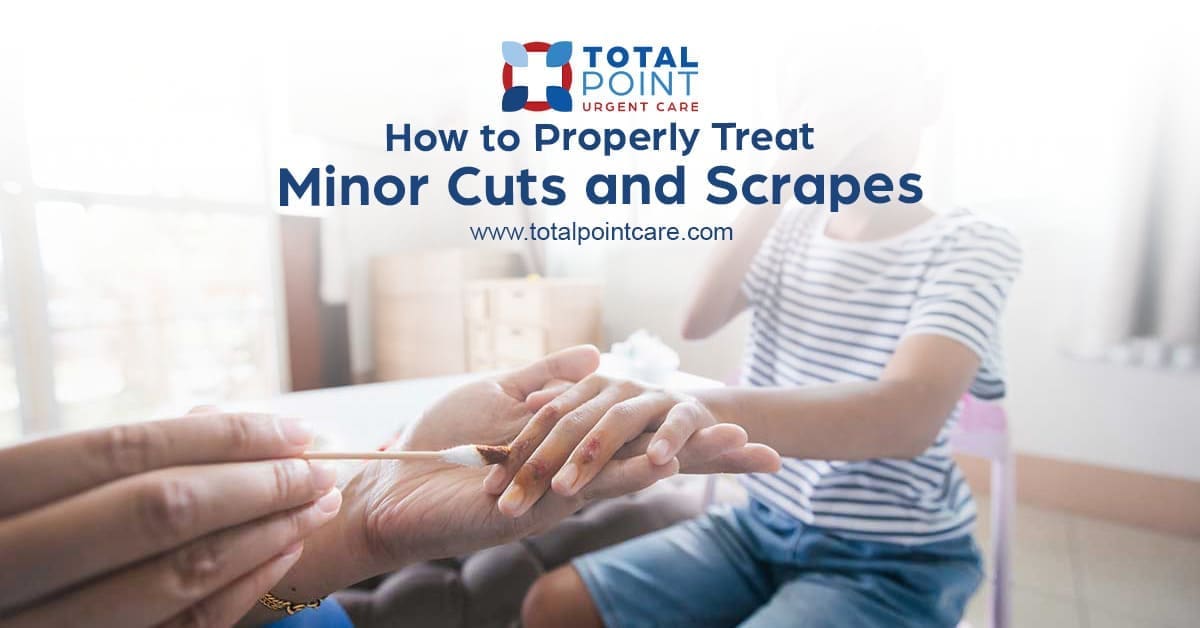
Treating small cuts and scrapes is super easy and helps avoid annoying infections. Here’s the step-by-step:
Step 1: Clean It Up
Rinse the cut with cool, clean water right away. Skip harsh stuff like hydrogen peroxide or alcohol—they can sting and slow healing. Instead, use mild soap and water.
Tip: Wash your hands before touching the wound so you don’t bring more germs to the party.
Step 2: Dab on Antiseptic
Once it’s clean, apply a thin layer of antibacterial ointment (like Neosporin). This helps keep germs out and speeds healing. Go easy—too much ointment stops the skin from breathing.
Step 3: Cover It Up
Use a sterile bandage or gauze to cover the cut. It keeps dirt and bacteria away and helps the wound stay moist (which heals faster).
Tip: If the cut’s on a spot that bends or moves (like your knee or hand), use a flexible bandage so it stays put.
Step 4: Keep an Eye on It
Change the bandage at least once a day, or sooner if it gets wet or dirty. Check for any signs of infection, like redness, swelling, or pus. If you notice these, visit your doctor or urgent care.
How Long Do Minor Cuts Take to Heal?
Healing time totally depends on the type and location of the cut. Small, surface-level cuts usually heal in about 1–2 weeks. Deeper cuts or scrapes? They can take longer, especially if the wound is dirty or gets infected.
Things that can slow (or speed up) healing:
- Size – How big or deep the cut is.
- Care – Whether you’re keeping it clean and covered.
- Health – Your overall health (age, immune system).
- Site – Where the cut is—joints or spots that move a lot take more time to heal.
When Should You See a Doctor?
Most minor cuts and scrapes can be handled at home, but sometimes you gotta get professional help. Watch out for these signs:
- Bleeding won’t stop: If blood keeps flowing after 10–15 minutes of pressure, it could be serious.
- Signs of infection: Look for redness, swelling, pus, or if you’re feeling feverish.
- Deep or wide cuts: Big or deep wounds might need stitches to heal properly.
- Pain or numbness: If it’s hurting a lot or feels numb, you could have deeper damage.
- Get a tetanus toxoid ( if it’s a deep cut or dirty wound ) in urgent care, if you are off your immunization schedule(> 10 years), or if you don’t remember when you got one.
When in doubt, don’t hesitate to hit up a doctor or urgent care—better safe than sorry!
How to Avoid Getting Cuts and Scrapes in the First Place
You can’t stop every little boo-boo, but these tips can seriously help lower your chances:
- Suit up with protective gear: Always rock gloves when handling sharp stuff—whether you’re gardening or chopping in the kitchen.
- Stay alert in risky spots: Be extra careful with tools or when playing sports—watch for things that could cause injuries.
- Keep your space safe: Store sharp things out of reach and clean up any dirt or clutter that might cause you to trip or scratch yourself.
Bottom line? Prevention is the best way to keep those annoying cuts and scrapes away.
Get the Right Care for Your Cuts and Scrapes
If you’ve experienced a minor cut or scrape and need expert care, don’t hesitate to reach out. At Total Point Urgent Care, we’re here to help you treat minor injuries quickly and effectively, whether in person or through a convenient telehealth consultation. Our team of healthcare professionals is ready to assist with any questions or concerns you may have about wound care, infection prevention, and the healing process.
Now serving families across Texas and Missouri with convenient, reliable urgent care you can trust.
Explore all of our Total Point locations: totalpointcare.com/locations
Our Wellness Membership Plan makes caring for your health simple and budget-friendly, so you can focus on what matters without stressing over unexpected care costs.
Have questions? Call us at 903-448-7611
Visit our website for expert advice, urgent care info, and wellness tips straight from trusted providers.
Follow us on Facebook and Instagram for daily health hacks, seasonal safety tips, and behind-the-scenes care that puts you first.
FAQs
Q. How do I know if my cut is infected?
A. Signs of infection include increased redness, swelling, warmth, pus, or more intense pain. If you notice any of these symptoms, contact a healthcare provider.
Q. Can I use hydrogen peroxide to clean a minor cut?
A. It’s best to avoid hydrogen peroxide, as it can harm healthy skin tissue. Stick to soap and water for cleaning.
Q. How long does it take for a minor scrape to heal?
A. Minor scrapes usually heal within 1-2 weeks, but deeper or more serious scrapes may take longer.
Q. Should I keep a minor cut covered all the time?
A. Yes, keeping the wound covered helps protect it from dirt and bacteria while also helping it heal faster.
Q. Can I exercise with a minor cut or scrape?
A. Light exercise is okay, but avoid activities that could cause the wound to reopen or become contaminated.

Related Articles