Medical emergencies are unpredictable, and outcomes often depend on how quickly and effectively you respond. Whether it is a traumatic injury, a heart attack, or a severe allergic reaction, being prepared to act quickly and calmly can make the difference between life and death. In this blog, we will walk you through essential steps to handle medical emergencies at home, helping you protect your loved ones even in the most stressful situations.
Steps to Take Before a Medical Emergency Strikes
The best way of dealing with medical emergencies is to be prepared in advance. Knowing what to do ahead of time not only helps you stay calm under pressure but also reduces the risk of complications and increases the chances of a better outcome. Here’s how you can be prepared to respond effectively.
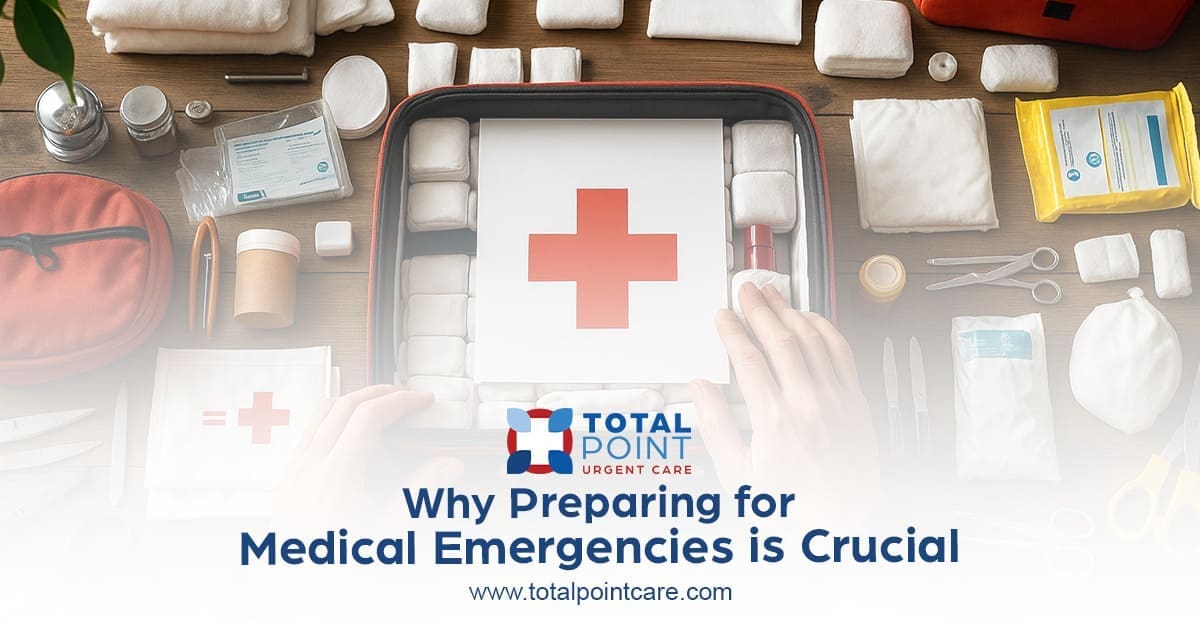
1. Build a First Aid Kit for Every Situation
A well-stocked first aid kit is a must, whether you’re at home, on the road, or at work. While the basics like adhesive bandages, gauze, antiseptic wipes, a thermometer, and scissors are essential, your kit should go beyond just the standard supplies. It should be tailored according to the needs of your household.
For instance, does anyone in your family have allergies? Do you have young children or elderly members who might need specialized care? Personalizing your kit ensures you’re truly ready when something goes wrong.
Some must-have items in your first aid kit include:
- Bandages (various sizes)
- Antiseptic cream and wipes
- Tweezers for splinters or debris
- A thermometer for fever detection
- A pair of gloves (disposable)
- A breathing barrier (for CPR)
- Pain relievers (aspirin)
2. Know How to Perform Basic First Aid and CPR
Being prepared on how to respond during an emergency may be of great help. First aid training and CPR (cardiopulmonary resuscitation) can enable you to stabilize an individual in order to wait until medical aid arrives. The skills are simple to acquire, and they can be life-saving when faced with a choking situation, cardiac arrest, or excessive bleeding.
The American Red Cross and the American Heart Association provide numerous lessons on first aid and CPR. Investing in these courses is worth the time, as emergencies can occur when least expected.
3. Have Emergency Contacts Ready
It is also a good idea to create an emergency contact list that you can refer to in the case of an emergency and save your precious time. This list ought to consist of:
- The contact details of your primary care doctor
- Neighborhood hospitals and immediate care clinics
- Poison control/ (1-800-222-1222)
- Family and friend emergency contact to help
Note down the list of numbers on something you can find easily at times of need, maybe the fridge, in your phone, or your emergency kit. Having an accessible and effective list is crucial during high-stress situations, when every second counts, knowing exactly who to call can make a huge difference.
What to Do During a Medical Emergency
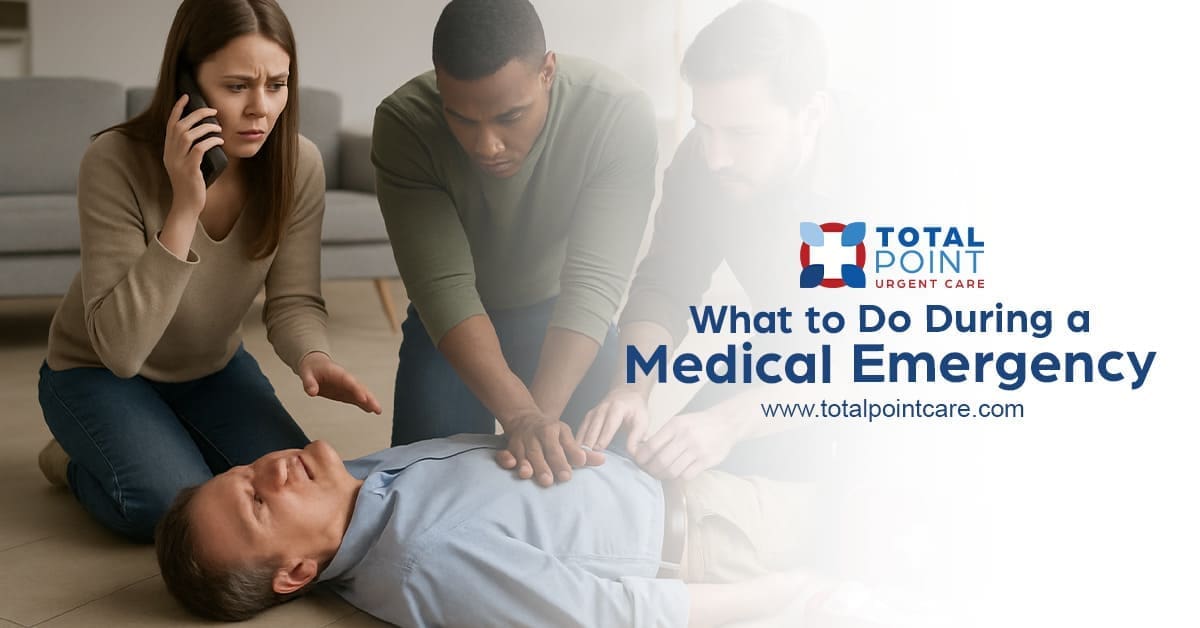
When you are ready, the following task is how to react in the case of a medical emergency. Not every emergency can be the same, although you can find some general guidelines you have to follow during times of crisis.
1. Stay Calm and Assess the Situation
The most important thing when addressing any emergency is being calm. Panicking is easy, but this could be solved by breathing deeply in and out to think more clearly. Make a preliminary evaluation to know the extent of the injury or illness. Check for the ABCs (Airway, Breathing, and Circulation) along with signs like unconsciousness, severe bleeding, or trouble breathing, as these may signal a life-threatening emergency.
2. Call for Help and Provide Information
When making a call to emergency services or an urgent care center, you will be asked to provide critical information as quickly and clearly as possible. Be prepared to share the following:
- Nature of the emergency:
Clearly describe what has happened, whether it’s a fall, heart attack, allergic reaction, or any other incident. - Location:
Provide specific details about your location. Mention landmarks, street names, building numbers, or any other helpful information to help responders find you quickly. - Condition of the patient:
Describe any visible injuries or symptoms. If you have administered any first aid, let them know what you have done so far.
3. Don’t Hesitate to Use Telehealth Services
Telehealth services are even more useful in non-life-threatening circumstances. You may discuss with healthcare providers and find out the following courses of action via video, phone, or chat appointments. This may specifically be useful in case of urgent care, such as a minor illness, injury, or prescription refill.
As the telehealth services continue to spread in the U.S., it is easy to obtain medical advice without moving out of your home. More urgent care facilities now offer telehealth, using virtual visits to help determine whether in-person care is needed, especially in cases involving more serious conditions.
Common Types of Medical Emergencies and How to Prepare for Them
Various forms of emergencies require varied action. Being prepared on how to respond to some of the most frequent emergencies will equip you to have more confidence in how to tackle a crisis.
1. Heart Attacks
The most common medical emergency is a heart attack. The symptoms can be chest pain, shortness of breath, nausea, fatigue or dizziness. When you suspect a person is experiencing a heart attack, it is important to seek medical assistance as quickly as possible. Keep them calm, and without an allergic reaction to this medication, swallowing an aspirin can help them until they get assistance. At the time of cardiac arrest, CPR could also play a vital role.
2. Allergic Reactions
Allergens such as certain foods or insect stings especially from bees can trigger severe allergic reactions known as anaphylaxis. If someone shows signs like hives, difficulty breathing, or swelling of the face or throat, administer epinephrine immediately if it is available
3. Choking
If someone is choking, the Heimlich maneuver should be performed immediately. For infants under one year of age, use a combination of chest thrusts and back blows instead. Do not hesitate to act, every second counts.
Be Ready for Any Medical Emergency: We’re Here When You Need Us
Medical emergencies can happen in an instant, and being prepared is the best way to protect yourself and your loved ones. At Total Point Urgent Care, we’re here to provide fast, reliable care when you need it most. Whether it’s a sudden injury, unexpected illness, or any other emergency, our team is equipped to handle it all with professionalism and compassion.
With locations across Texas and Missouri, we provide immediate, walk-in care for a wide range of medical needs, from minor injuries to more urgent conditions.
Need help now? Call us at 903-448-7611 or visit our website to find the nearest Total Point Urgent Care location.
Our telehealth services offer quick and convenient access to healthcare professionals from the comfort of your own home. No matter the situation, we’re always just a phone call or click away.
Emergencies don’t follow a schedule, but your health care can. Our Wellness Membership Plan ensures that you’re covered without the stress of unexpected medical bills. Focus on staying healthy, let us handle the rest.
For immediate care, urgent advice, or to learn more about how we can help, call us at 903-448-7611 or visit totalpointcare.com/locations
Follow us on Facebook and Instagram for important health tips, emergency preparedness advice, and daily reminders to stay ready for anything life throws your way.
FAQs
Q. What should I include in my first aid kit?
Your first aid kit should include bandages, antiseptic wipes, a thermometer, scissors, gloves, and any specific medications your family might need.
Q. How can I learn CPR?
CPR training is available through organizations like the American Heart Association and the Red Cross. These courses often include hands-on practice and certification.
Q. What should I do if I see someone choking?
For an adult or child over one year old, perform the Heimlich maneuver. For infants under one, administer back blows and chest thrusts.
Q. When should I use telehealth services?
Telehealth is ideal for non-emergency medical issues, such as mild illnesses or questions about symptoms.

Related Articles