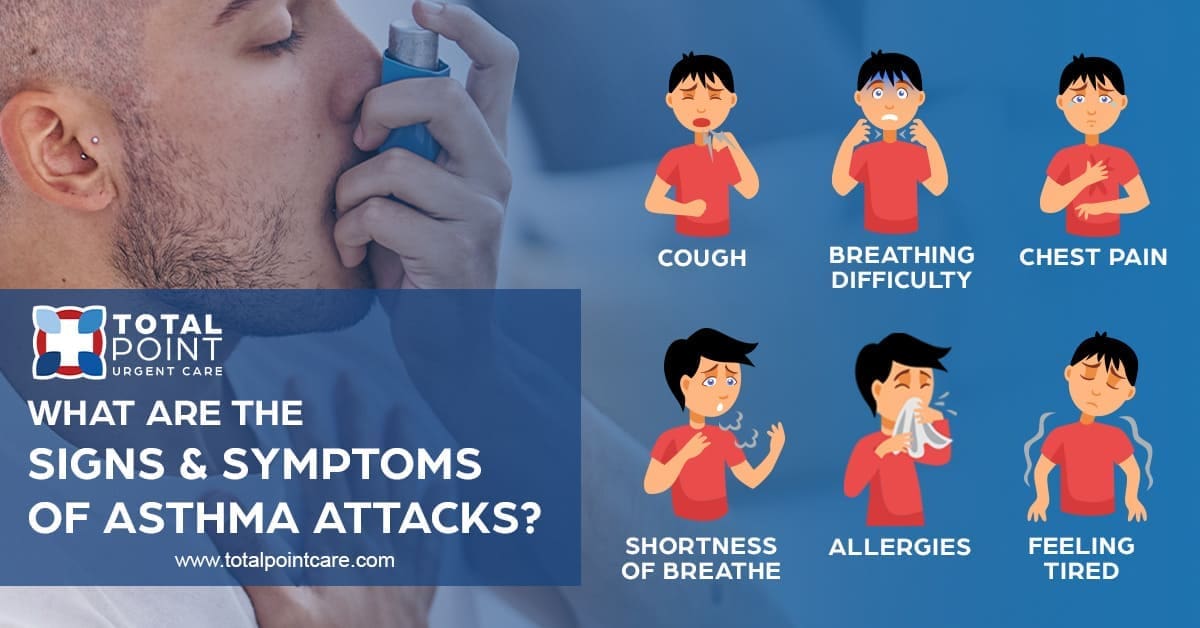
Asthma does not always sound dramatic. In some cases, it is a silent pain on breathing that creeps up on you. So, we need to look for signs and symptoms of asthma attack.
In case of a newly diagnosed asthma or a child under treatment, getting familiar with the symptoms of an asthma attack can be lifesaving knowledge.
We’ll go over early warning signals, full symptoms of an attack, and recommendations for what to do next from more reliable sources, including the WHO, ACAAI, AAFA, and doctors in recommendation through the AMA.
What is an Asthma Attack?
An asthma attack, often referred to as an asthma exacerbation, is a rapid worsening of asthma symptoms brought on by bronchospasm, or tightening of the muscles around the small airways.
The lining of the airways also becomes inflamed and swollen, and the body produces extra mucus, making it even harder to breathe.
It might be a gradual process or happen suddenly.
According to the World Health Organization, asthma is one of the most dangerous noncommunicable illnesses, affecting an estimated 262.2 million people worldwide in 2019 and contributing to almost 455,000 noncommunicable deaths. However, early action may have prevented many of these fatalities.
Early Warning Signs of an Asthma Attack
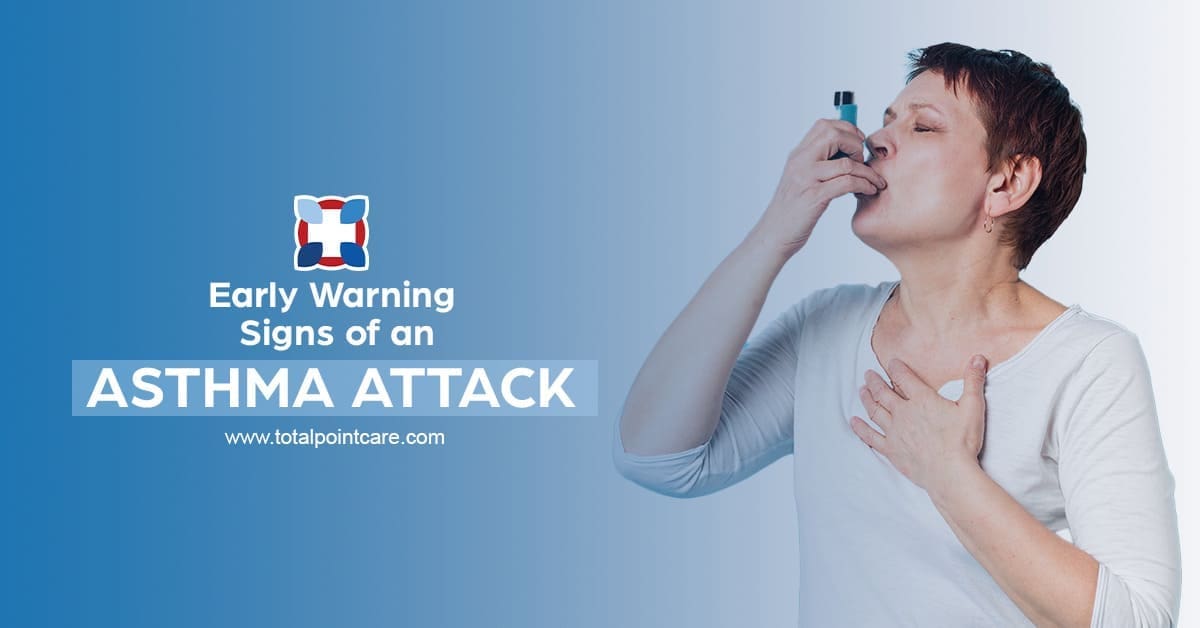
To prevent a full-blown emergency, it’s critical to recognize the warning signs of an asthma attack. The AAFA certifies the following:
- Increased mucus/sputum production
- Runny/stuffy/congested nose
- Itchy neck or chin
- Feeling tired, weak, or lacking energy
- Raised shoulders, slouching
You can recognize your early warning signals with the assistance of a doctor. Consider yourself to be in the Yellow/Caution Zone when you present early warning indicators. As soon as you begin to show early warning signals, take your quick-relief asthma medications.
Full Symptoms ( Red Zone ) of an Asthma Attack
When the issue becomes bad, the body goes into crisis mode. In the case of an actual attack, symptoms are more severe and harmful. The ACAAI and NCBI say:
- A lack of breathing that is severe, even while at rest.
- Breathing quickly and shallowly.
- When inhaling, wheezing, or a loud whistling sound.
- Tightness or discomfort in the chest that might seem painful.
- Lack of oxygen is indicated by blue lips or fingernails.
- Unable to use complete sentences while speaking.
- Anxious, panicked actions.
- Chest wall retractions (pulling of the skin inwards over the ribs during the breathing time)
- Frequent and annoying coughing that refuses to relieve.
Infants, toddlers, and children may have different asthma emergency signs and symptoms of adults.
Signs and Symptoms of Asthma Attack in Children:
- Infants with asthma who are unable to react or identify their parents.
- Nasal flaring, which may be uncommon in adults, is when the nostrils expand widely or flare.
- Working harder to breathe (nasal flaring, skin is sucking in around and between ribs or above the sternum, or exaggerated belly movement or belly breathing)
- Cyanosis is a change in tissue color on the tongue, lips, and surrounding tissues of the eyes, as well as on the fingers or nail beds.
- When an infant with asthma is experiencing respiratory distress, they may have floppy bodies, bobbing heads, grunting, or be irritable, restless, grumpy, or lethargic (sluggish).
Take your quick-relief medications as prescribed by your asthma action plan as soon as you have any of these symptoms, and then obtain medical help immediately (call 911 or go straight to the emergency room).
Who Is at Higher Risk of Severe Attacks?
Some groups are more susceptible to getting asthma, though everyone can get asthma. According to the WHO and ACAAI:
- Unable to keep asthma control with the prescription provided by the provider.
- Children under age 5 often have trouble describing symptoms, which makes diagnosis harder.
- Older adults might not detect the exacerbation of asthma as fast.
- Individuals who already have different respiratory diseases (such as COPD or chronic bronchitis) face increased risks.
- Low-income families and underserved communities experience increased environmental triggers and diminished medical-related options.
Indeed, AAFA explains that hospitalizations and deaths from asthma are significantly higher among members of minority groups. Access to early education and care is, therefore, much more crucial.
What Doctors Wish You Knew About Asthma

A detailed feature by the American Medical Association (AMA) indicates that most people with asthma do not understand the seriousness of the condition, particularly when it seems to be under control.
However, as the doctors want to underline, asthma is a long-term inflammatory illness rather than a breathing problem.
An allergist and immunologist interviewed by the AMA, Dr. Sindhura Bandi, emphasizes the significance of overall control on a daily basis:
“After feeling better, people may believe they don’t need to take their medicine, but this is how asthma could get out of control,” she noted.
Important reminders made by doctors:
- Control is better than rescue. Inflammation is maintained using daily drugs (such as inhaled corticosteroids).
- The issue is not suddenly resolved by rescue inhalers. Using albuterol more frequently than twice a week is an additional sign of poor management.
- Track symptoms. Asthma diaries and peak flow meters detect changes when it is not too late.
- Take symptoms seriously. Symptoms that are seemingly mild can go out of control quickly.
Some Common Triggers That May Result in Attacks
Being aware of your triggers allows you to avoid future attack of asthma attacks. According to AAFA and ACAAI, the following are commonly observed triggers that can lead to asthma attacks:
- Allergens: pollen, dust mites, mold, pet dander
- Irritants: smoke (tobacco, wildfire), pollution, chemicals.
- Weather: cold air, swift change of temperature
- Exercise, particularly in dry or cold weather
- The flu and various respiratory diseases, including COVID-19
- Asthma symptoms can also be brought on by strong emotions like laughing or crying.
By controlling the environment you are in, filtering, and keeping clear of well-known triggers, you are putting yourself at a significantly reduced risk of asthma flares.
When to Find Emergency Help
A useful thumb rule is as follows: “When you are not able to talk, walk, or sleep-then it is time to call for help.”
Other signs of emergency warning:
- No relief from the use of a rescue inhaler
- The color of the lips is blue, or the skin is pale
- Loss of respiratory ability to breathe properly and slurred speech
- Extreme confusion or dizziness
- Rapid heartbeat; Chest pain.
Preventing Future Attacks
There is no guarantee that you can prevent an asthma attack, but with the help of rational habits and proper medical advice, you can prevent the majority of crises. This is what the major sources, such as WHO and AAFA, recommend:
- Whether you are okay or not.
- Check the activity of the lungs with the Peak flow meter regularly as directed by your provider.
- Avoid triggers. Keep the air clean, control allergens.
- Keep updated with vaccines, particularly flu and COVID-19.
- Educate those you are in contact with. Have faith in your family and coworkers.
- Take your asthma action plan. Be familiar with your green-yellow-red zone.
- Take medications every day.
Worried About an Asthma Attack?
If you’re wheezing, coughing more than usual, or just not breathing like yourself, visit Total Point Urgent Care.
When we provide quick, reliable, and affordable asthma care at our urgent care locations across Texas,
- Abilene West, TX
- Abilene East, TX
- Athens
- Corsicana
- Daingerfield
- Ennis
- Hallsville
- Lindale
- Mansfield
- Allen
- Whitehouse
- Jacksonville
- Wheatland (Dallas)
as well as in Missouri,
We also offer a Wellness Membership Plan — affordable, easy to use, and perfect for the whole family.
Breathing easy starts here.

Related Articles