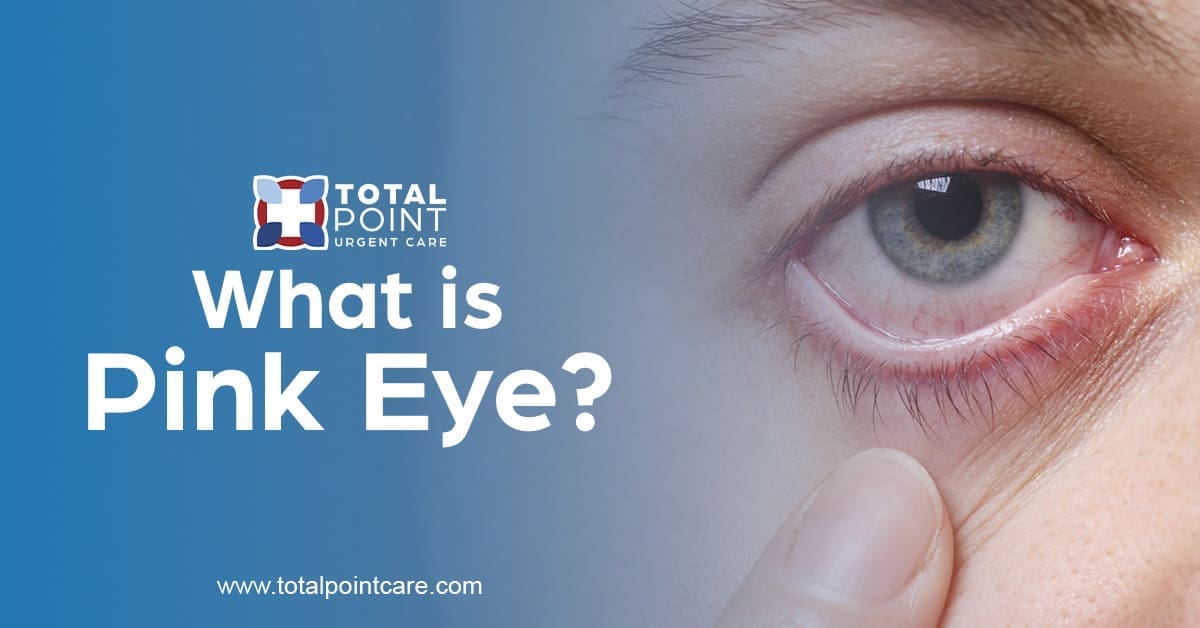
Have you ever gotten up with your eyelids sort of stuck together? Or perhaps you have been seeing the eyes of your kid being strangely reddish and watery and not nice to look at all?
Yes, you could be experiencing what we like to collectively refer to as pink eye, but which medical terminologists prefer to know as by its fancier name: conjunctivitis.
In plain terms, pink eye occurs when the very fine, transparent covering that is situated on the white portion of your eye and lines your eyelid (the conjunctiva) becomes inflamed. As per the Cleveland Clinic, it is considered one of the most prevalent (and frankly, irritating) problems with the eyes.
Other individuals just presume that it is always a bacterial infection, but no. It may be bacterial, viral, or even allergic, as well as irritable such as smoke and chlorine.
Well, anyway, not all red eyes require an antibiotic drop, but there are times, and we want the easy way out, right?
Signs and Symptoms: How to Figure Out that It’s Pink Eye?
Is it right, when you are suspicious that you (or your kid, as the case may be) are about to have pink eyes? The Centers for Disease Control and Prevention (CDC) simplifies it in such a way:
- The classic sign is redness in one or both eyes.
- Itchiness or this irritating feeling that there is something in the eye that you cannot wash out.
- A watery or sticky discharge. It is even yellow or greenish when it is bacterial.
- Sore eyes, crusty lashes, particularly in the morning.
- Swollen eyelids.
The increased tearing feels more like constant irritation and watery eyes than dramatic, movie-style crying.
In children, it is very normal that both eyes become affected when they rub the infected eye, then the good one. With kids, there is no need to ask how quickly they can spread the germs pink eyes.
Pink Eye: Is it Serious?

Here’s where things get interesting. Most cases are mild and go away on their own, but not always. The American Academy of Ophthalmology (AAO) says bacterial conjunctivitis might need prescription antibiotic drops, though viral pink eye just runs its course.
So yes, sometimes doing nothing (except good hygiene) is the fix. That said, if you suddenly have severe pain, vision changes, intense redness, or light sensitivity, see a doctor. Those are not typical pink eye signs and could mean something more serious is happening.
How Do People Even Get It?
I guess it shouldn’t be surprising: pink eyes spread ridiculously easily. One careless sneeze, a rub of the eye, a forgotten handwash, that’s all it takes. According to KidsHealth, kids are basically pink eye magnets. Schools and daycare centers? Perfect places for it to make the rounds.
Some versions come from viruses like the common cold, so you might get pink eye and a cold at the same time. Double the fun. Other times, it’s a bacteria that jumps from your nose to your eyes, or an allergic reaction to pollen, dust, or pet dander.
What Doctors Want You to Understand?

This is one thing that may come as a shock to many: many doctors also want us to learn more about pink eye so that we do not head to the doctor requesting antibiotics.
Most cases of pink-eye, according to the American Medical Association (AMA), are viral, not bacterial. So antibiotics won’t do a thing, and they are most likely not needed.
According to Dr. Michael Ingraham, an emergency medicine doctor, the following can be said:
“Pink eye is normally viral and can be what people would refer to as a cold and requires it to run its course.”
He highlights the fact that patients tend to demand antibiotic drops, yet they fail to accelerate the healing process with respect to viral conjunctivitis. Dr. Ingraham also says:
“With a viral cause, you just must wait it out. The best you can do is provide supportive care by using warm packs and fake tears.“
Also, he recommends that patients stop touching or rubbing their eyes, wash their hands a lot, and stay home in case they can.
Dr. Ingraham argues that when you experience vision changes, burning aches in your eyes, and intense redness, go to the doctor to exclude possible complications. Otherwise, pink eye is commonly best handled by supportive care, patience, and some hygiene.
Quick Tips: What Helps?
The practical care measures set by the eye doctors as recommendations in the advice section of the Cleveland Clinic’s advice are:
- Apply lubricating eye drops (not antibacterial, artificial tears), in particular in the case of viral or allergic conjunctivitis. Just ensure that they are preservative-free free provided that you apply it more frequently than a couple of times a day.
- Avoid red-eye reducing drops (the type that will help you get the red out), they will address the wrong problem and eventually aggravate the condition more.
- When an infection is active, the contacts should not be used. Resume using lenses at least 24 to 48 hours after the symptoms disappear.
- After the patient has recovered, throw off the old lenses, lens case, and any open solutions that can contain the infection and spread it back into the body.
When to Call the Doctor?
The question that arises in the minds of parents is: Do I need a doctor? In some cases, yes; in some cases, no. When being told, a pink eye is mild when there is no vision loss, when there is no severe pain, you might not need anything more than patience and good hygiene.
However, the AAO and the CDC said that you are to consult medical advice in case:
- In contrast to viral pink eye, which may take a bit longer to recover from, bacterial pink eye should improve with antibiotics in a few days.
- The level of pain is moderate to severe.
- Vision even blurs (not watery either, but blurred).
- You are light sensitive.
- There is much pus or swelling.
- You are using contacts, and infections can easily become worse.
How to Prevent Pink Eye?
Is it totally preventable? Honestly, don’t think so. Especially if you have young children. Nonetheless, a few routines might be beneficial:
- Wash hands. Time and time again.
- Do not touch or rub your eyes, as well as the eyes of your kid.
- Replace pillowcases and towels regularly.
- Dispose of expired cosmetics when you have an eye infection. (Yes, really.)
- When you take out contacts, take care of them properly, clean and change them, and avoid wearing them at night unless you have a prescription to do so from your doctor.
These are simply steps that are mentioned in pretty much all official guidelines, be it CDC, the Cleveland Clinic, or the AAO. Well, there must be something in it.
Worried About Pink Eye?
Are your eyes red, itchy, or crusty in the morning? Forget about making assumptions and visit Total Point Urgent Care for clear answers and fast, reliable care.
We provide quick, reliable, and affordable asthma care at our urgent care locations across Texas.
- Abilene West, TX
- Abilene East, TX
- Athens
- Corsicana
- Daingerfield
- Ennis
- Hallsville
- Lindale
- Mansfield
- Allen
- Whitehouse
- Jacksonville
- Wheatland (Dallas)
as well as in Missouri,
We also offer a Wellness Membership Plan that’s smart, simple, and budget-friendly for the whole family.

Related Articles