In the United States, hypertension, or high blood pressure, affects half of all individuals.
Many people are unaware of it. Blood flowing through your arteries at higher-than-normal pressures causes high blood pressure.
Knowing about blood pressure readings, systolic and diastolic numbers, gives an idea about the fluctuation from the normal value and helps to take appropriate measures to maintain your blood pressure at a healthy level.
What Are Blood Pressure Readings?
Blood Pressure Basics
The pressure exerted by the blood against the walls of your arteries is blood pressure. It is measured as systolic and diastolic.
- Systolic: This is the pressure in your arterial wall when your heart contracts and pumps out blood.
- Diastolic: This is the set of pressures that is caused when your heart is at rest in-between beats.
If you have a reading of 120/80 mm Hg, it means that the systolic reading is 120 mm Hg and the diastolic blood pressure is 80 mm Hg.
How Blood Pressure is Measured
The measurement of blood pressure can be conducted with the help of a cuff and a stethoscope (manually) or an automated blood pressure device.
This can be measured by medical personnel or home equipment, but you have to ensure that it is checked frequently to observe patterns.
Blood Pressure Categories: Understanding the Numbers
Normal Blood Pressure Range
Any reading below 120/80 mm Hg, but not lower than 90/60 mm Hg, is generally considered to be in the healthy range.
However, it’s important to consult your doctor, as they will determine what’s best for you based on factors like your age and overall health.
High Blood Pressure (Hypertension)
When your blood pressure measures 130-139 mm Hg (systolic) and 80-89 mm Hg (diastolic), you have high blood pressure.
Serious health problems like hypertensive heart disease, stroke, or even kidney failure can result as a complication from untreated high blood pressure.
Low Blood Pressure (Hypotension)
Hypotension can be referred to as low blood pressure or a reading lower than 90/60 mmHg.
Low blood pressure, or hypotension, is less common but can still cause symptoms like dizziness, fainting, or fatigue. If it persists, it should be addressed by a medical professional.
Understanding Blood Pressure Charts
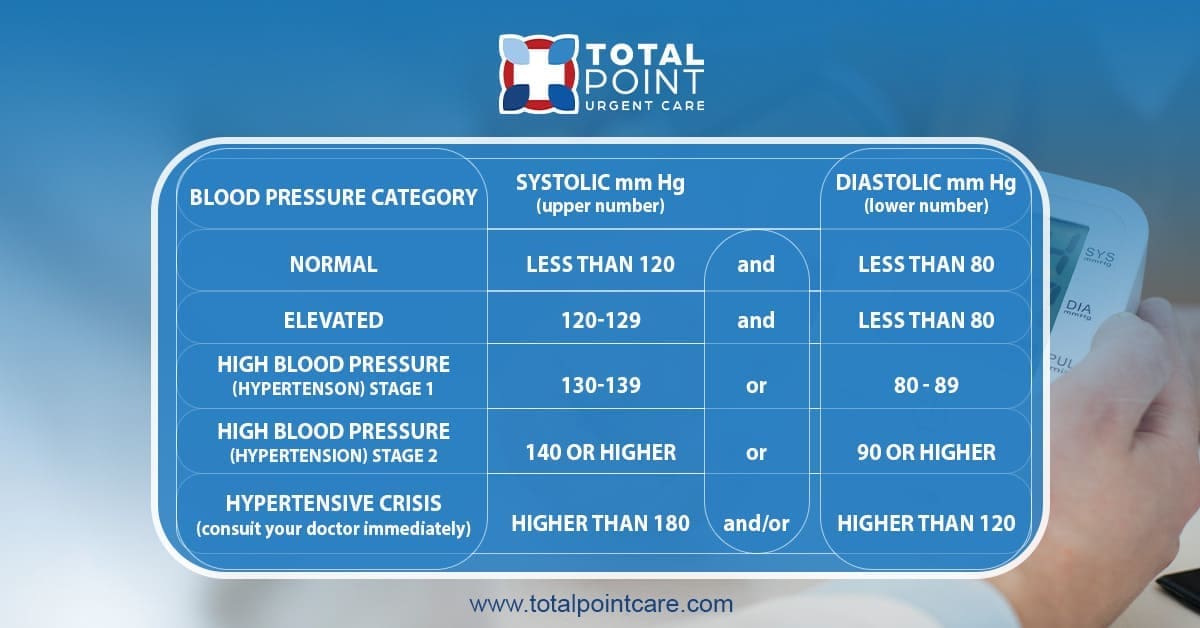
The American Heart Association suggests that blood pressure charts are used to classify your readings as normal, high, or elevated blood pressure. A simple rule is this:
| Blood Pressure Category | Systolic (mmHg) |
Diastolic (mmHg)
|
| Normal | Less than 120 | Less than 80 |
| Elevated | 120–129 | Less than 80 |
| Hypertension Stage 1 | 130–139 | 80–89 |
| Hypertension Stage 2 | 140 or higher | 90 or higher |
| Hypertensive Crisis | 180 or higher | 120 or higher |
How to Maintain a Healthy Blood Pressure
Lifestyle Modification:
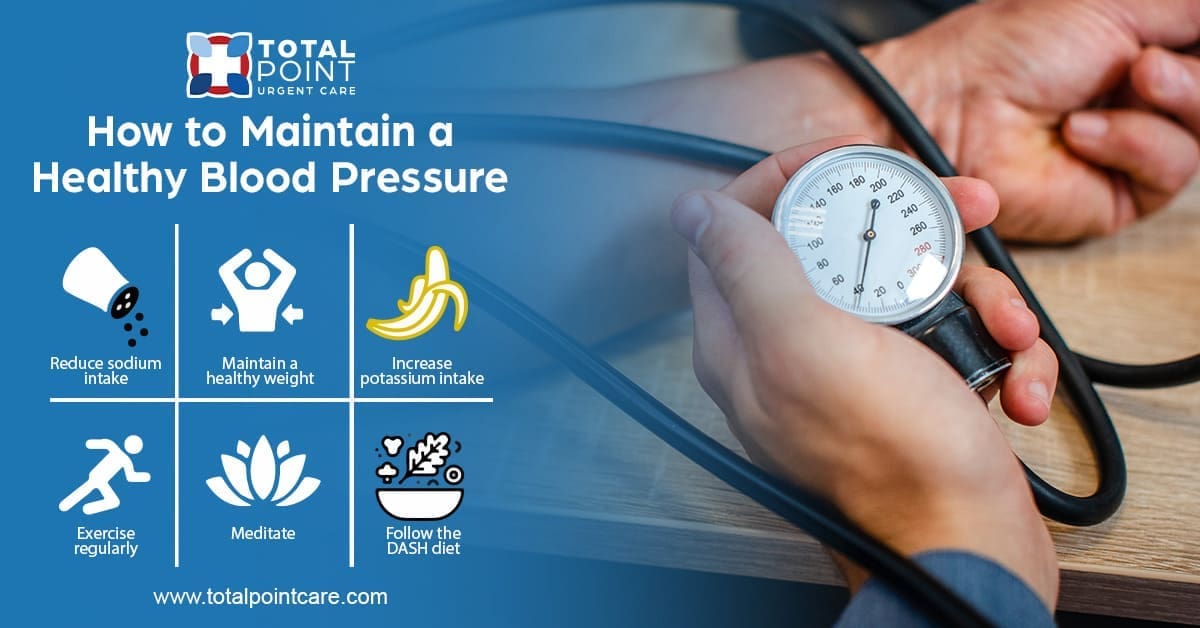
The most effective treatment for your blood pressure is good habits. The most effective is the DASH diet regimen:
The DASH diet consists mainly of fruits, vegetables, and low-fat dairy products and includes whole grains, poultry, fish, and nuts while reducing the amount of red meat, sweets, and sugar-containing beverages.
- The DASH diet approximately lowers systolic blood pressure by 11 mm Hg.
- Low salt intake
- Regular Exercise: 150 minutes of moderate exercise each week is sufficient to make your heart healthy.
- Reduce Stress: Activities such as meditation, yoga, or even a nature walk can be utilised to lower down on stress! Stress is a cause of high blood pressure.
Medications
If you lead a healthy lifestyle but are still having problems controlling your blood pressure, your doctor may recommend medication to help you manage it.
Beta-blockers, ACE inhibitors, and diuretics are among the several kinds of medicines. Following your doctor’s recommendations is crucial while taking any medicine to control your blood pressure.
Why Monitoring Blood Pressure Is Crucial
Regular check-ups are essential for detecting your blood pressure range early, allowing for timely intervention, especially for those at risk of high blood pressure, to prevent future complications.
High blood pressure is often referred to as the “silent killer” because it can cause serious damage to the heart, kidneys, brain, and eyes without showing any noticeable symptoms.
Therefore, regular blood pressure monitoring is crucial for maintaining your health and preventing complications.
Blood Pressure and Your Overall Health
Blood pressure influences the whole body. High blood pressure might put stress on your heart and blood vessels and lead to the development of high blood pressure-related complications such as hypertensive heart disease, stroke, or kidney failure. However, low blood pressure can cause symptoms like dizziness and blackouts as there is a reduction in the amount of oxygen and nutrients that reach your organs.
When to Seek Medical Attention for Blood Pressure
Symptoms of High Blood Pressure
High blood pressure often goes unnoticed because it typically doesn’t present any symptoms.
Many people have it without even knowing.
In rare cases, it may cause symptoms like:
- Headaches
- Blurred vision
- Chest pain
The only way to know for sure if you have high blood pressure is to have it checked.
What to Do if Your Blood Pressure is Too Low
Dizziness, fatigue, or fainting may be a result of low blood pressure. Whenever you experience such symptoms, visit your doctor. In extreme cases, blood pressure may demand urgent treatment.
Taking Control of Your Health
Understanding your blood pressure readings is essential for managing your heart health. Regular monitoring, lifestyle changes, and medication (if needed) can help you maintain healthy blood pressure levels. Remember, it’s never too late to start caring for your heart.
If you’re concerned about your blood pressure or need assistance in managing it, contact us at Total Point Urgent Care or visit our website to schedule a consultation with one of our experts. Take control of your heart health today!
Our Wellness Membership Plan makes caring for your health simple and budget-friendly, so you can focus on what matters without stressing over unexpected care costs.
Have questions? Call us at 903-448-7611
Stay connected for practical health tips on Facebook and Instagram
Become a Wellness Member today, and let Total Point Urgent Care help you keep your family healthy and protected, season after season.
We are here For Your Next Step Forward
Whether you’re looking for a clearer understanding of your blood pressure readings or need expert advice on maintaining a healthy heart, visit Total Point Urgent Care.
We’re here to help you monitor and manage your blood pressure, ensuring your health stays on track. Reach out today to learn more and take control of your heart health.
We provide quick, reliable, and affordable asthma care at our urgent care locations across Texas.
- Abilene West, TX
- Abilene East, TX
- Athens
- Corsicana
- Daingerfield
- Ennis
- Hallsville
- Lindale
- Mansfield
- Allen
- Whitehouse
- Jacksonville
- Wheatland (Dallas)
as well as in Missouri,
We also offer a Wellness Membership Plan that’s smart, simple, and budget-friendly for the whole family.
FAQs
Q. What is a normal blood pressure reading?
A. A normal reading is typically around 120/80 mm Hg. Anything above 120/80 may require lifestyle changes or medical attention.
Q. What causes high blood pressure?
A. High blood pressure can be caused by genetics, poor diet, lack of exercise, smoking, excessive alcohol consumption, and chronic stress.
Q. How do I know if I have low blood pressure?
A. Symptoms of low blood pressure include dizziness, fainting, and fatigue. If these symptoms are frequent, it’s important to consult a healthcare provider.
Q. Can stress affect my blood pressure?
A. Yes, stress can temporarily raise your blood pressure. Long-term stress can contribute to sustained high blood pressure.
Q. How can I lower my blood pressure naturally?
A. Regular exercise, reducing sodium intake, eating a healthy diet, and managing stress are all effective ways to lower blood pressure.

Related Articles