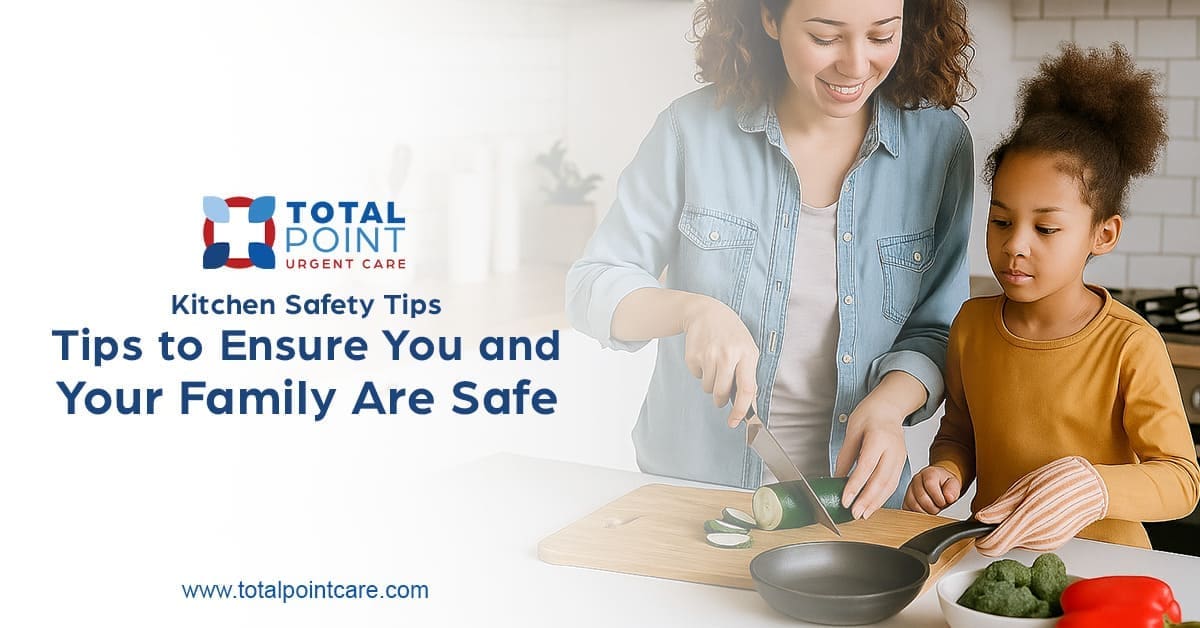
The kitchen can also be said to be the heart of the house. It is where we cook our dinners with our families, celebrate our special occasions, and even try new cuisines at times.
But it is also the area where the accidents are observed. Kitchen-related accidents such as burns, slips, or falls into the hot oven can occur in the blink of an eye.
Indeed, as stated by the National Burn burn injuries in the United States alone are treated on average by 400 thousand individuals per annum.
This is a blog about some of the necessary safety details in the kitchen to make it injury-free and safe as a cooking and meeting place.
Top Kitchen Hazards You Need to Watch Out For
Burns and Scalds
Burns are part of the most frequent injuries in the kitchen.
You can get burned easily whether you are boiling water or hot oils, or even touching a hot surface, so you have to be careful in handling water and the oils.
As outlined by the National Burn Association, burn injuries claim a lot of kitchen injuries every year.
Prevention Tips:
- Always wear oven mittens when handling hot pans or trays.
- Rotate the handles of the pots inwards to avoid colliding with the handles by accident.
- Be careful when opening the hot door to the hot oven; sensitive hot steam can give burns.
Cuts and Lacerations
Cuts may happen with knives, glassware, and even kitchen gadgets.
According to reports provided by the Consumer Product Safety Commission, more than 100,000 cut injuries are associated with kitchen issues that happen every year.
Even experienced cooks cannot avoid sharp instruments.
Prevention Tips:
- To keep knife accidents away, use a non-slip cutting board that does not slip
- Keep knives somewhere safe and covered as in a knife block or a knife drawer, to avoid accidents.
- Chop away, not towards your body and fingers, when you chop.
Slips, Trips, and Falls
A wet floor, spilled liquid, or a misplaced rug can easily lead to a slip or fall in the kitchen.
The notes that falls are among the top causes of home injuries, and kitchens are a high-risk area due to the constant presence of water, oil, and other liquids.
The kitchen is the most common place one can slip or fall because of a wet floor that has spilled a liquid, which is why a misplaced rug can easily result in falling or slipping.
Using the data provided by the CDC, falls represent one of the leading sources of injuries at home, and kitchens are the place most likely to experience injuries since the presence of water, oil, and other liquid substances is unavoidable.
Prevention Tips:
- When a spill occurs, clean it up right away in order to eliminate slip hazards.
- Apply non-slip mats in places that are likely to get wet, such as around the sink or stove.
- Substitute the slippery surface with non-slippery shoes to avert the risks of falling.
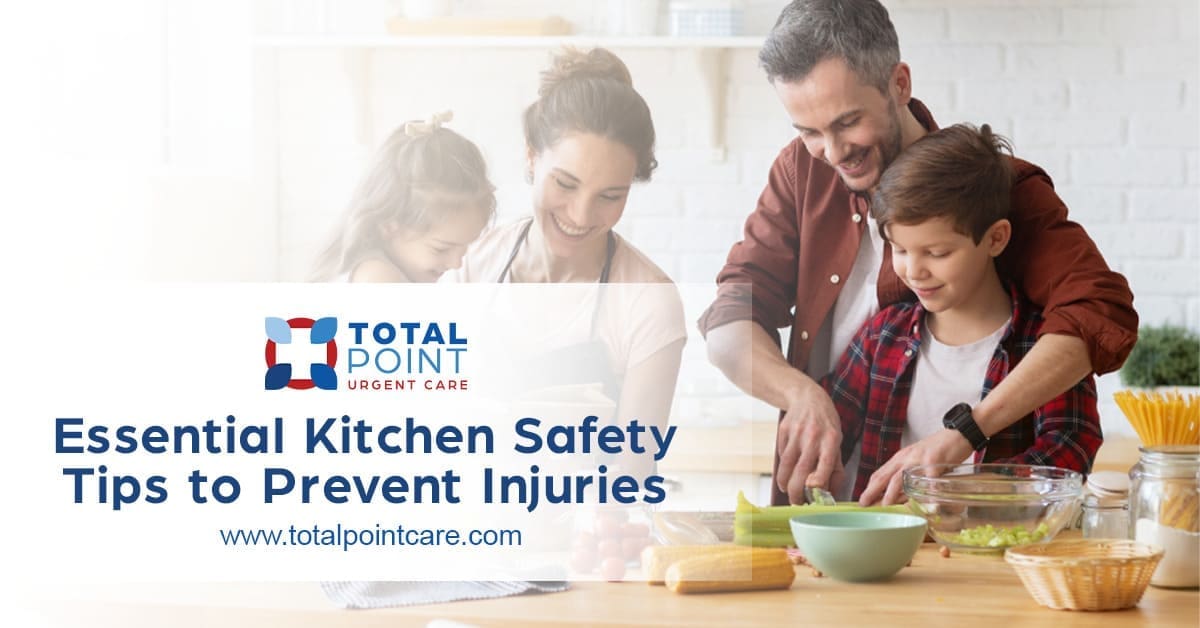
Essential Kitchen Safety Tips to Prevent Injuries
Handle Sharp Objects with Care
Any kitchen needs sharp knives and glasses, yet they pose a high risk of injury. Risky accidents can be prevented by proper handling and storage of them.
- Proper Knife Storage: An easy way to store knives safely and out of the way is in an appropriate knife block or magnetic strip.
- Safe Cutting Techniques: Taking precautions with knives: To cut, ensure the cutting board is sturdy, and cut away instead of towards you. Also, you should use the correct knives all the time, e.g., do not cut vegetables with a serrated knife, and do not cut meat with a small one.
Prevent Burns and Scalds
Burns are very painful and capable of destruction. Preventing burns in the kitchen is all about being attentive and taking extra care.
- Wear Oven Mittens and Gloves: They are very convenient to use, and will always ensure that the hot pots, pans, or baking trays are handled with.
- Turn Handles Inward: To ensure that people do not knock against them, pots should always have their handles turned inwards to run on the back of the counter or the stove.
- Keep Flammable Items Away from Heat: Towels, paper towels, and oven mittens are kept some distance away from the stove so as not to catch fire.
Slip-Proof Your Kitchen
A floor that is wet or greasy may cause horrible falls. Avoid thinning your kitchen to avoid slips by staying well-organized with no hazards.
- Clean Up Spills Immediately: Water, oil, or food spills- clean them up immediately when they occur.
- Use Slip-Resistant Mats: These should be applied where liquid tends to be on the floor, especially at the sink or the stove area.
- Wear Proper Footwear: To prevent falls, choose shoes with a strong, non-slip sole.
Why Kitchen Safety Matters Beyond the Home

The safety of kitchens is not a topic of discussion only for those who manage the household. Accidents in the kitchen occur in professional kitchens as well.
Citing statistics provided by the U.S. Bureau of Labor Statistics, kitchen-related accidents cause more than ten thousand injuries to food service workers annually.
Knowledge of safety rules is not only necessary for home cooks but the employees of restaurants, as well. Injuries in the workplace can be mitigated by proper observance of safety standards as well as training in safety in the kitchen.
How to Set Up a Safe Kitchen
An important factor in the prevention of accidents is the creation of a non-hazardous kitchen environment. These are the tips on how to keep your kitchen safe:
- Organize Your Kitchen: Have your surfaces in your kitchen uncluttered; avoid having sharp items and hot surfaces unattended.
- Proper Lighting: Your kitchen should be well lit, especially the cooking sections and cutting boards.
- Use Childproofing Techniques: Consider utilizing stove knob covers to prevent small children from turning on the stove and keep sharp objects and hazardous chemicals out of their reach.
What to Do in Case of a Kitchen Emergency
Even in the presence of the most effective safety measures, accidents may occur. In case of an emergency, do the following:
Burns:
In case you burn yourself, rinse with water on the injured area. Refrain from the use of ice or ointment, which is destructive. For burns that are serious, get medical help as soon as possible.
Cuts:
Put pressure to stop bleeding. Wash the wound, then proceed to use a sterile bandage over it. In case there is a deep cut or when the cut shows no sign of stopping bleeding, then it is necessary to seek medical attention at an urgent care center or emergency department.
Slips and Falls:
In case you or another person falls, examine possible signs of fracture and other severe injury. The injury should also be attended to promptly in case it appears that it is serious.
Prioritize Safety for a Happier, Healthier Kitchen
The kitchen should be a place of joy, not a danger zone. By following these simple kitchen safety tips, you can prevent accidents and ensure that everyone in your home stays safe while cooking.
Stay proactive about kitchen safety—clean up spills, handle sharp objects with care, and always wear protective gear when needed.
If you or someone in your household is injured in the kitchen, don’t hesitate to reach out to Total Point Urgent Care. Total Point Urgent Care is here to help with any kitchen-related injuries, from burns to cuts, and we offer telehealth consultations for non-emergency cases.
Our Wellness Membership Plan makes caring for your health simple and budget-friendly, so you can focus on what matters without stressing over unexpected care costs.
Have questions? Call us at 903-448-7611
Stay connected for practical health tips on Facebook and Instagram
Become a Wellness Member today, and let Total Point Urgent Care help you keep your family healthy and protected, season after season.
We are here For Your Next Step Forward.
Whether you’re dealing with a minor kitchen burn or need help managing a more serious kitchen injury, visit Total Point Urgent Care is ready to help.
We provide quick, reliable, and affordable asthma care at our urgent care locations across Texas.
- Abilene West, TX
- Abilene East, TX
- Athens
- Corsicana
- Daingerfield
- Ennis
- Hallsville
- Lindale
- Mansfield
- Allen
- Whitehouse
- Jacksonville
- Wheatland (Dallas)
as well as in Missouri,
We also offer a Wellness Membership Plan that’s smart, simple, and budget-friendly for the whole family.
FAQs
Q. What are the most common kitchen injuries?
Burns, cuts, and falls are the most common injuries. Always use protective equipment and maintain a clean workspace to prevent them.
Q. How can I prevent burns in the kitchen?
Always use oven mittens, turn pot handles inward, and keep flammable materials away from heat sources.
Q. What should I do if I cut myself in the kitchen?
Apply pressure to stop the bleeding, clean the wound, and cover it with a sterile bandage. If the cut is deep or won’t stop bleeding, visit an urgent care center.
Q. How do I avoid slipping in the kitchen?
Clean up spills immediately, use slip-resistant mats, and wear shoes with good traction.
Q. Why is kitchen safety important?
Preventing accidents in the kitchen helps avoid serious injuries and ensures a safe cooking environment for everyone in your household.

Related Articles