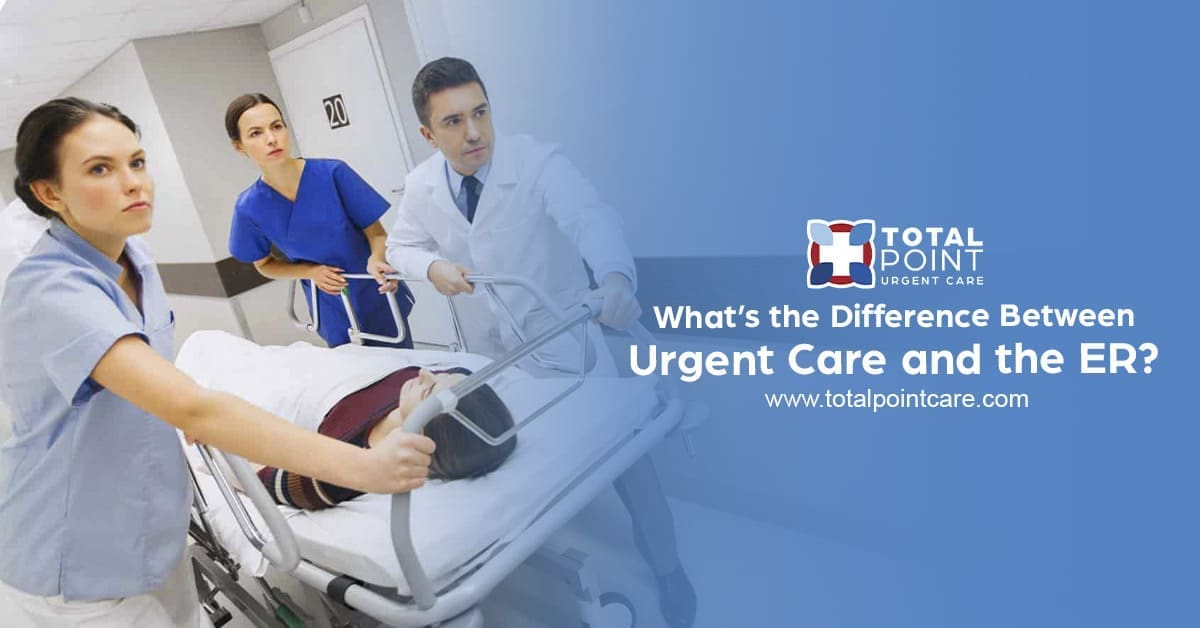
While both emergency rooms (ERs) and urgent care facilities provide medical treatment, they differ in the seriousness of problems they handle. While emergency rooms are equipped to handle serious, life-threatening situations, urgent care centers are designed to treat non-life-threatening conditions, including minor illnesses and injuries.
When to Go to Urgent Care
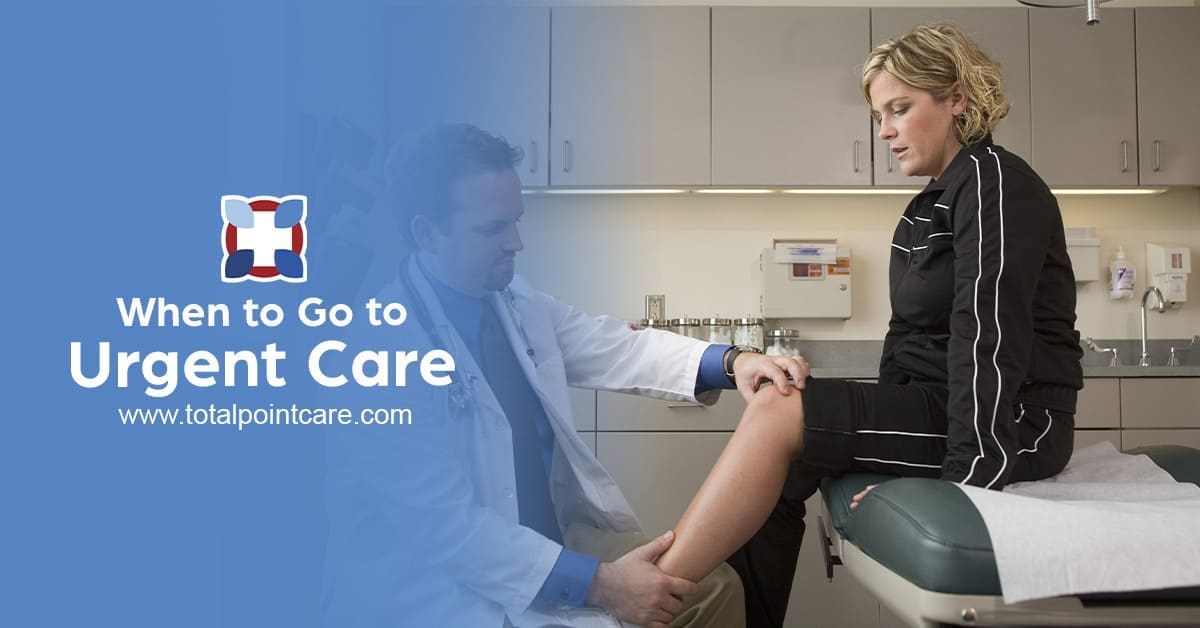
Urgent care facilities are designed to treat non-life-threatening illnesses and injuries that still require prompt attention. They can handle more than you might expect and are often a faster, more convenient option for same-day medical needs.
Conditions Treated at Urgent Care:
- Cold, cough, and flu-like symptoms
- Pink eye
- Sinus and ear infections
- Mild asthma attacks
- UTIs or mild abdominal pain
- Cuts that may require stitches but are not actively bleeding heavily or uncontrollably.
- Minor injuries, such as a small fracture or sprain
- Skin rashes or mild allergic reactions
Urgent care clinics often have on-site X-rays, labs, and providers trained in emergency medicine, just without the full hospital setting.
Not Sure? Ask Yourself:
- Can I walk, breathe, and think properly?
- Is the pain manageable for the next hour or two?
- Does this feel urgent, but not terrifying?
If yes, urgent care is likely the best fit.
When to Go to the Emergency Room
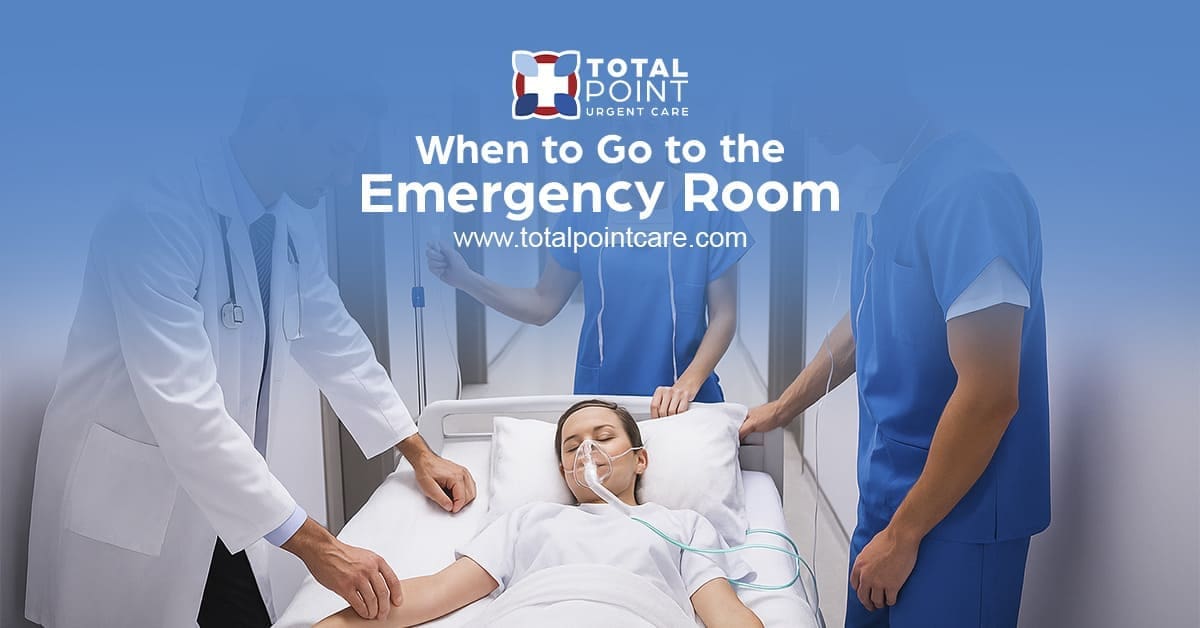
Emergency rooms are constructed to support serious, possibly life-threatening emergencies. The hospitals where ERs have been established contain well-developed facilities and specialized teams to tackle the situation of critical cases, 24/7. Some symptoms require immediate medical attention—no second-guessing.
Go to the ER if you have:
- Chest pain or tightness
- Difficulty breathing
- Sudden numbness or weakness (especially on one sideof the body)
- Loss of consciousness or severe confusion
- Heavy and uncontrolled bleeding or deep wounds
- Serious trauma (like a fall from height or road traffice accident)
- High fever with a severe headache or stiff neck
Where Telehealth Fits In
Sometimes, you don’t need to go anywhere at all.
Telehealth is great for:
- Coughs, sore throats, or sinus issues
- Mild urinary problems
- Medication refills
- Mild rashes
- Discussing lab results or care follow-ups
While it’s not right for emergencies, virtual care can be a quick way to get help, reassurance, or next steps, without leaving home.
Check if your local urgent care (like Total Point) offers telehealth appointments.
Need Medical Help Now? We’ve Got You.
At Total Point Urgent Care, we’re not just here for the moment; you can count on us across your health journey.
- Multiple Texas locations open late and on weekends
- Walk-ins welcome or book online
- On-site labs, diagnostics, and telehealth
- Seamless referrals if you need follow-up or long-term care
We’re fast, friendly, affordable—and we treat you like family.
Our Wellness Membership Plan makes caring for your health simple and budget-friendly, so you can focus on what matters without stressing over unexpected care costs.
Have questions? Call us at 903-448-7611
Now serving families across Texas and Missouri with convenient, reliable urgent care you can trust.
Explore all of our Total Point locations: totalpointcare.com/locations
Stay connected for practical health tips on Facebook and Instagram
Become a Wellness Member today, and let Total Point Urgent Care help you keep your family healthy and protected, season after season.
FAQs
Q. What’s the main difference between urgent care and the ER?
A. Urgent care treats minor to moderate issues. The ER handles life-threatening conditions.
Q. What symptoms mean I should go to the ER?
A. Chest pain, trouble breathing, stroke symptoms, confusion, or severe injury.
Q. Can urgent care treat broken bones or stitches?
A. Yes, for minor injuries. Urgent care can handle simple broken bones (like fingers, toes, wrists) and stitches for cuts and gashes.
Q. I’m still not sure where to go. What should I do?
A. Call your nearest urgent care. They’ll talk through your symptoms and help you choose.
Q. What’s telehealth used for?
A. Minor illnesses, follow-ups, and medication management, all from home.

Related Articles