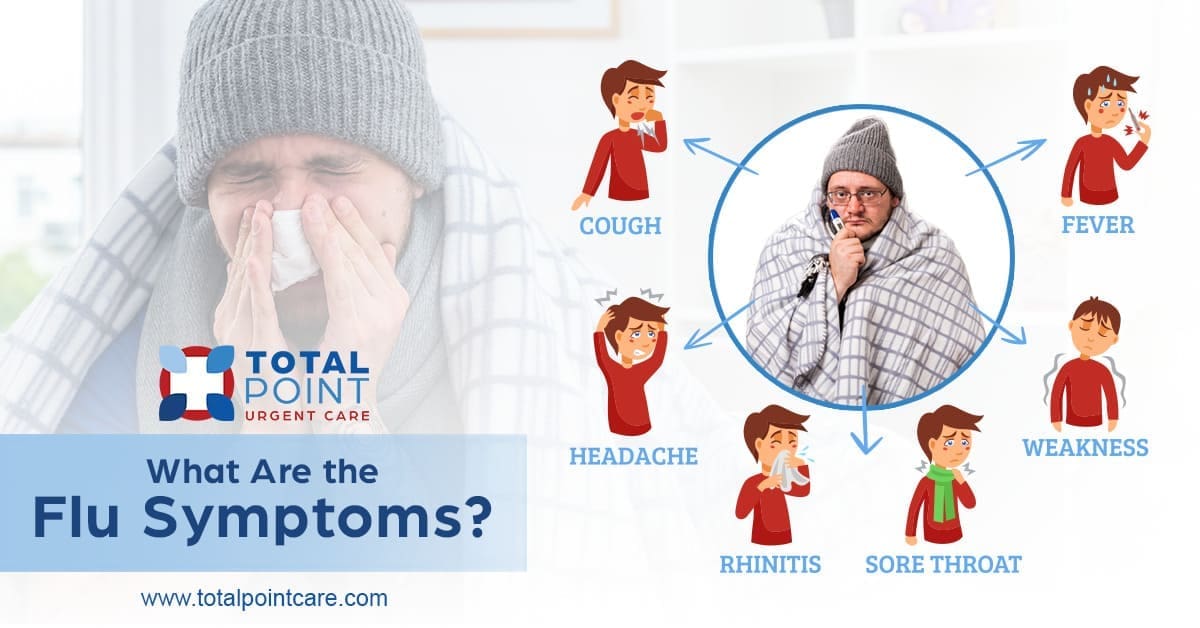
Flu or influenza is a typical viral infection that is known to affect millions of individuals. Knowledge about flu symptoms can help not only in treatment but also prevention of its spread.
The flu is not a simple cold but can have severe effects and may develop into complications, particularly among vulnerable populations such as children and the geriatrics, immunocompromised as well as individuals with chronic diseases.
This blog will take you through the typical symptoms of the flu, the ways of determining the flu from other ailments, and instances when a doctor should be consulted.
What is the Flu?

Flu is an illness caused by the influenza virus that attacks the respiratory system, causing the victim to have fever, body aches, cough, and fatigue.
Unlike a cold, which is experienced gradually, the flu comes in hard and fast and, in most cases, with a blow-up of the symptoms.
What is the importance of identifying the signs of flu?
Symptoms of flu may be mild or severe, and they may be more or less severe between individuals.
The flu season in the U.S. includes October through May, and the peak season is usually between December and February, according to the Centers for Disease Control and Prevention (CDC).
In the U.S. alone, the flu results annually in a million illnesses, hundreds of thousands of hospitalizations, and tens of thousands of deaths.
Common Symptoms of the Flu
Early detection of flu may be crucial in an attempt to determine the speed of recovery and complications. Some of the typical flu symptoms include the following:
Fever and Chills:
One of the distinguishing features of the flu is a sudden fever, even in excess of 100°F. The fever can be accompanied by chills, and these symptoms are evident in the early stages of the illness.
- Did you know? According to the CDC, fever is common in most flu cases, often lasting 3 to 4 days, particularly in children.
Body Aches and Muscle Pain:
Severe symptoms of the flu include body aches. They may cause pain to the back, arms, and legs, and also difficulties in moving around. Pain experienced in the muscles may also be accompanied by pain in the joints.
- Fun fact: Body aches have earned a place as one of the conditions that make the flu; one has to mention that it is in the top three among the conditions that most easily distinguish the flu and a common cold.
Fatigue and Weakness:
One of the symptoms of the flu is long-lasting fatigue. Even after the fever passes away, most individuals remain fatigued and weakened for days or even weeks.
- Statistical Insight: NIH indicates that of the individuals who contract the flu, 50% are going to have an excessive amount of fatigue that lasts in many cases even after the major symptoms appear to have gone away.
Sore Throat and Cough:
Another typical flu symptom is a sore throat, and this is normally accompanied by a persistent dry cough. This amount of irritation in the chest may cause breathing to be more difficult.
- A quick tip: In contrast to the flu, a cold is usually accompanied by a mild cough, whereas the cough of the flu may not be mild anymore; it may be painful.
Headache and Congestion:
The flu is also accompanied by headaches that many patients sometimes experience the headaches very strong and pounding. A clogged nose or nose blockage is also common, but is less common as compared to other worse symptoms of the flu, such as fever.
- Pro tip: If a headache is accompanied by a high fever, it’s a strong indicator that it may be the flu rather than a common cold.
How Flu Symptoms Compare to Other Illnesses
Symptoms of flu are easily mistaken for other conditions, such as the common cold and COVID-19, but there are some differences.
Flu vs Cold Symptoms:
Flu symptoms develop acutely with symptoms such as fever, body pain, and weakness. While Cold symptoms develop gradually and are less severe at first, they include a sore throat and a blocked nose.
Flu vs COVID-19 Symptoms:
Although flu and COVID-19 have a lot of similarities since there is fever, cough, and fatigue, there are some key differences.
The flu is likely to result in a sudden development of symptoms, but the COVID-19 symptoms may progress more slowly. Also, something related to alteration to taste or smell can be observed in COVID-19, and is not typical in the flu.
When Should You See a Doctor for Flu Symptoms?

Most individuals will be able to recover from the flu at home by sleeping and drinking water; however, there are symptoms that need to be investigated. These include:
- Difficulty breathing or shortness of breath
- Continuous chest pressure or pain
- Severe headache or confusion
- Continuous vomiting or diarrhea
- A high fever lasting more than three days
Why Does Early Intervention Matter?
Flu antivirals work best when taken within the first 48 hours of symptoms.
The earlier you start, the more power these meds have to fight the virus before it really takes hold. Antiviral drugs can make the illness milder and shorten the time you are sick.
They might also prevent some flu complications, like pneumonia.
How to Prevent the Flu
Prevention is the best form of cure. Flu is very contagious, and it is possible to minimize the risk of becoming an ill person in different ways:
1. Get Vaccinated:
Flu has no cure, and the only adequate intervention is by use of the flu vaccine. CDC advises all persons aged above six months to receive the vaccination each year, more so when the flu season is at its peak.
- CDC Data: The CDC says that there is a 60 percent chance that you can avoid contracting the flu by taking flu vaccines.
2. Practice Good Hygiene:
Routine hand washing, coughing and sneezing into tissue paper, and cleaning very frequently used surfaces can do a lot to inhibit the spread of the flu.
- Pro Tip: Do not touch your face, because it exposes you to the risk of getting the virus in your mouth, nose, or eyes.
How Long Does It Take to Recover from the Flu?

The recovery period for the flu typically varies but generally lasts about one to two weeks.. Within one to two weeks, most of the healthy people will start feeling better. However, the flu-related fatigue and weakness might last longer.
- Important: The CDC noted that even when the symptoms of flu recede, you might be feeling tired during the next few weeks. You need to keep taking care of yourself in the midst of this healing process.
Stay Informed and Protect Yourself
Recognizing the symptoms of the flu early and taking preventive steps can make a significant difference in your health.
If you’re experiencing flu-like symptoms, consider reaching out to Total Point Urgent Care for guidance and treatment options. Remember, getting vaccinated and practicing good hygiene are the best ways to protect yourself and your community from the flu.
Our Wellness Membership Plan makes caring for your health simple and budget-friendly, so you can focus on what matters without stressing over unexpected care costs.
Have questions? Call us at 903-448-7611
Stay connected for practical health tips on Facebook and Instagram
Become a Wellness Member today, and let Total Point Urgent Care help you keep your family healthy and protected, season after season.
We are here For Your Next Step Forward.
Whether you’re experiencing sudden flu symptoms or need expert guidance on managing your recovery, visit Total Point Urgent Care are ready to help.
We provide quick, reliable, and affordable asthma care at our urgent care locations across Texas.
- Abilene West, TX
- Abilene East, TX
- Athens
- Corsicana
- Daingerfield
- Ennis
- Hallsville
- Lindale
- Mansfield
- Allen
- Whitehouse
- Jacksonville
- Wheatland (Dallas)
as well as in Missouri,
We also offer a Wellness Membership Plan that’s smart, simple, and budget-friendly for the whole family.
FAQs
Q. What are the first signs of the flu?
A. The flu typically starts suddenly with a high fever, chills, body aches, and fatigue.
Q. How can I tell if it’s the flu or a cold?
A. Flu symptoms appear quickly and are often more intense than cold symptoms, which develop more gradually.
Q. Can the flu lead to complications?
A. Yes, complications like pneumonia can occur, especially in young children, the elderly, and those with chronic health conditions.
Q. When should I get the flu vaccine?
A. It’s best to get vaccinated as early as possible in the fall, but even later in the season, it’s still beneficial.
Q. How long is the flu contagious?
A. People are contagious for up to 7 days, sometimes longer for those with weakened immune systems.

Related Articles