You’re doing your own things—maybe out walking the dog, gardening, or enjoying a dinner—when you feel it. That sharp, itchy pinch. A bug bite. No big deal, right? Probably just a mosquito doing what mosquitoes do.
Not all bites are harmless—some can get worse and cause real problems. Additionally, your body may use that small bump as a warning sign.
So, how can you tell if you need to go to urgent care for a bug bite? We’re breaking down precisely—no theories, no fear, just straightforward, relatable advice from those who deal with this stuff on a daily basis.
The Usual Suspects: Common Bug Bites and How They Typically Show Up
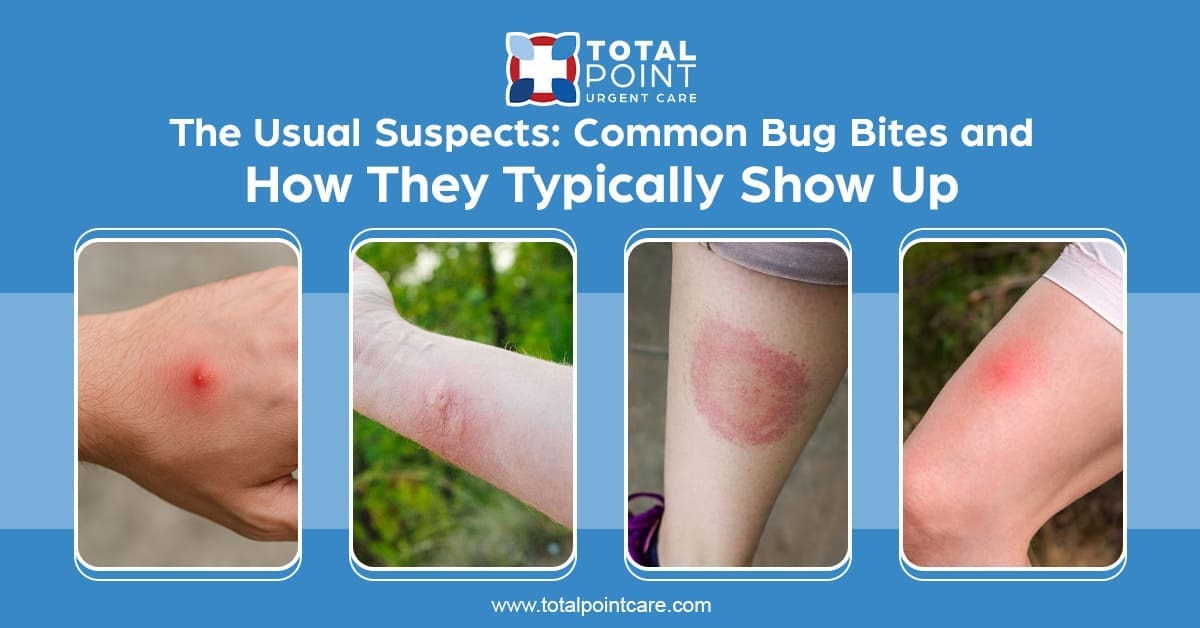
Let’s start with the basics. Most bug bites fall into a few common categories. Some itch, some sting, well…some show up as a surprise.
Mosquito Bites:
The most well-known are these. They typically result in endless itching, mild swelling, and redness. However, mosquitoes can carry viruses, such as West Nile Virus, that can cause serious illness.
In 2023, the CDC recorded nearly 2,800 cases of mosquito-borne illnesses in the U.S., with West Nile making up 95% of them.
While most people recover without serious problems, a small number develop severe symptoms like high fever, confusion, or even neurological issues.
Spider Bites:
Most spiders don’t want anything to do with you. But when they have to…they bite? It can range from nothing to something worth visiting an expert.
A minor spider bite may only appear as a red bump.
But, especially with venomous spiders like brown recluses or black widows, you may be dealing with something more serious if it starts to hurt, blister, or turn purple or black in the center.
Red flag symptoms:
- Spreading pain or redness
- Muscle cramps or fever
- A wound that won’t heal or gets worse over time
Urgent care can evaluate the bite in these situations and begin treatment immediately.
Bee, Wasp, or Hornet Stings
When this happens, you’ll know immediately because it hurts a lot.
The pain and swelling typically subside within one to two days for most people. However, the reaction may be far more severe if you are allergic or have been stung more than once.
Visit urgent care for mild-to-moderate reactions, like:
- Swelling that spreads but doesn’t affect breathing
- Localised pain or rash
- Concern after multiple stings
Tick Bites
Ticks are tiny, silent, and dangerous in all ways. They are tricky because you won’t even feel them bite you.
The big concern? Lyme disease. In 2023, over 89,000 cases were confirmed, and an estimated 476,000 Americans are treated for Lyme disease each year, according to the CDC.
Urgent care is the right move if:
- There is evidence that prolonged tick attachment (>36 hours) is suggested by the presence of a progressively evolving cutaneous lesion at the site of the bite
- You get a red, round rash that’s commonly referred to as a “bull’s-eye,” or like a” target. “
- You can feel joint pain, fatigue, or flu-like symptoms in the days or weeks following a bite
- A child under 1 year old has an insect bite or sting
Lyme is easier to treat if it is discovered earlier rather than later.
When Should You Go to Urgent Care for a Bug Bite?
Great question. If the bite is just itchy and goes away in a day or two, you’re probably fine.
Don’t wait, though, if it’s making you feel unwell or the bite is changing in ways that don’t feel right. The following are signs that it’s time to visit the doctor:
Swelling that keeps spreading:
It’s normal to have some swelling. However, there is a problem if the bite continues to grow, becomes hot or firm, or appears to be growing on the surrounding skin.
Red streaks leading away from the bite:
This could mean the infection is spreading through your lymphatic system. It’s called lymphangitis, and urgent care can treat it quickly before it worsens.
Fever or chills after a bit:
Your immune system might be fighting off an infection or reacting to venom. Either way, you need to get checked.
Pus or drainage:
If a bite is oozing anything yellow or green—or smells funky—it’s likely infected.
Pain that’s not going away:
Bug bites shouldn’t hurt for days. If the pain is getting worse, not better, let’s get it looked at by urgent care.
A bite that just won’t heal:
A week later, are you still red, itchy, or inflamed? That’s your body telling you it needs some backup.
What Happens at Urgent Care for a Bug Bite?
The Visit:
We’ll ask a few questions:
- When and where were you bitten?
- What symptoms are you having?
- Do you have a history of allergic reactions?
Then we’ll examine the area, check for infection or allergic response, and talk through what we see.
Treatment:
Depending on what’s going on, you might get prescribed by your provider with:
- Antibiotics (for infected bug bites)
- Steroids or antihistamines (for allergic reactions)
- Epinephrine (in more serious cases)
- Tick removal and preventative antibiotics if Lyme is a concern
Our goal is always to relieve symptoms, prevent complications, and get you back to feeling like yourself.
Quick Bug Bite Prevention Tips
We can’t stop the bugs from biting, but we can help you avoid the worst of them:
- Use repellent with DEET (or picaridin for sensitive skin)
- Wear long sleeves and pants outdoors.
- Do tick checks after hiking or playing in tall grass
- Avoid leaving food or sugary drinks open when outside.
- Avoid the urge to scratch if you see a bite; doing so is going to make it worse.
When to Seek Medical Attention for Bug Bites
Bug bites usually aren’t a big deal… until they are. You know your body best. If something doesn’t look or feel right, don’t wait it out. At Total Point Urgent Care, we’re here to check the bite, ease your symptoms, and keep things from getting worse.
We offer wellness membership plans. If you’re still feeling unwell, you can simply visit a location across Texas and Missouri today, or you can connect with us through our telehealth services.
Walk in anytime or check in online—we’re here when bugs bite back.
Have questions? Call us at 903-448-7611
Stay connected for practical health tips on Facebook and Instagram.
FAQs
Q: How long should I wait before seeing a doctor for a bug bite?
If symptoms are distressing, if it hasn’t improved in 3–5 days or is getting worse, go in.
Q: What does a serious bug bite look like?
Swelling, pus, red streaks, or a rash spreading away from the bite. Pain and fever are also signs to watch.
Q: What can urgent care do that I can’t do at home?
We can diagnose infections, prescribe medications, treat allergic reactions, and prevent long-term complications.
Q: Should I bring the tick in if I find one?
Yes, if you still have it. Seal it in a bag or container. It helps us determine risk and guide treatment.
Q: Is it better to wait and see?
Sometimes yes—but if your gut says something’s wrong, listen to it. A quick, urgent care visit is better than a long recovery.

Related Articles